

Introduction
Cricket matches between England and India have always attracted attention from fans around the world. Both teams have a rich cricketing history, talented players, and a strong competitive spirit. Whether they meet in Test cricket, One Day Internationals (ODIs), or Twenty20 Internationals (T20Is), their contests often deliver exciting performances and memorable moments. Supporters closely follow batting scores, bowling figures, partnerships, wickets, and important turning points throughout every match.
The england cricket team vs india national cricket team match scorecard is an important source of information for understanding how a match develops. It provides a structured record of each team’s performance and helps readers evaluate individual contributions. From opening partnerships to the final overs, a scorecard captures the essential details that explain the result. It also allows fans to compare players, understand team strategies, and revisit important moments after the match has finished.
Latest England vs India ODI Match Scorecard

One of the notable recent meetings between these sides took place in the third ODI at Lord’s Cricket Ground on 19 July 2026. England entered the final match after the series had been levelled, making the contest especially important. England won the toss and decided to bat first. The home side produced an impressive batting display, scoring 387 runs for the loss of three wickets in 50 overs. India responded with 360 runs for seven wickets, finishing 27 runs short of the target. England therefore won the match and secured the three-match ODI series by a 2–1 margin.
Match Summary
| Match detail | Information |
|---|---|
| Match | 3rd ODI |
| Date | 19 July 2026 |
| Venue | Lord’s, London |
| Toss | England won and elected to bat |
| England | 387/3 (50 overs) |
| India | 360/7 (50 overs) |
| Result | England won by 27 runs |
| Player of the Match | Jacob Bethell |
England First Innings: A Powerful Batting Performance
England started their innings with an attacking approach and maintained a strong scoring rate throughout the match. Ben Duckett was the leading performer, producing an outstanding 141 runs from 135 deliveries. His innings included well-timed boundaries and excellent placement. Jacob Bethell also played an important role, contributing 91 runs from 93 balls. Their partnership gave England a solid foundation and helped the team build a substantial total.
Joe Root continued the momentum with an unbeaten 74 from just 48 deliveries. Harry Brook added 14 runs, while Jos Buttler finished the innings with an unbeaten 41 from only 13 balls. England reached 387/3 in their allotted 50 overs, creating considerable pressure on the Indian batting lineup. The innings demonstrated how partnerships and an effective finishing approach can transform a competitive total into a challenging target.
England Batting Scorecard
| Batter | Runs | Balls |
|---|---|---|
| Ben Duckett | 141 | 135 |
| Jacob Bethell | 91 | 93 |
| Joe Root | 74* | 48 |
| Harry Brook | 14 | 12 |
| Jos Buttler | 41* | 13 |
| Extras | 26 | — |
| Total | 387/3 | 50 overs |
India’s Bowling Performance
India’s bowlers faced a difficult challenge against England’s attacking batting lineup. Prasidh Krishna was among the wicket-takers, claiming two wickets for 69 runs in his 10 overs. Prince Yadav picked up one wicket while conceding 79 runs. Arshdeep Singh, Axar Patel, and Gurnoor Brar tried to control the scoring rate, but England maintained pressure through their partnerships.
The biggest difficulty for India was preventing England from accelerating during the middle and final overs. Although the Indian bowlers created a few opportunities, the opposition’s experienced batters continued finding gaps and scoring boundaries. The bowling performance also highlighted the importance of controlling runs during the final 10 overs. Against a strong batting lineup, even a few expensive overs can make a considerable difference to the final score.
India’s Bowling Figures
| Bowler | Overs | Runs | Wickets |
|---|---|---|---|
| Arshdeep Singh | 10 | 72 | 0 |
| Prasidh Krishna | 10 | 69 | 2 |
| Prince Yadav | 10 | 79 | 1 |
| Gurnoor Brar | 10 | 97 | 0 |
| Axar Patel | 10 | 61 | 0 |
India Second Innings: A Strong Chase
India began their chase knowing that a target of 388 would require consistent scoring and substantial partnerships. Shubman Gill and Rohit Sharma provided an important start, with both players showing patience and attacking intent. Gill scored 77 runs from 84 balls, while Rohit delivered an outstanding innings of 138 from 110 deliveries. Their contributions kept India in contention and gave supporters hope of a successful chase.
Virat Kohli added another valuable contribution, scoring 74 runs from 60 balls. However, England managed to take important wickets at crucial moments. India’s middle order struggled to maintain the required scoring rate after the main partnerships were broken. Despite contributions from the lower order, the team eventually finished on 360/7 after 50 overs. The chase demonstrated India’s batting quality but also showed how difficult it can be to complete a high-scoring pursuit against disciplined bowling.
India Batting Scorecard
| Batter | Runs | Balls |
|---|---|---|
| Rohit Sharma | 138 | 110 |
| Shubman Gill | 77 | 84 |
| Virat Kohli | 74 | 60 |
| Ishan Kishan | 14 | 12 |
| Shreyas Iyer | 0 | 3 |
| KL Rahul | 12 | 8 |
| Axar Patel | 2 | 3 |
| Gurnoor Brar | 18* | 14 |
| Arshdeep Singh | 15* | 6 |
| Extras | 10 | — |
| Total | 360/7 | 50 overs |
England Bowling Performance During the Chase
England’s bowling unit played an important role in defending the large total. Sam Curran was particularly effective, taking four wickets for 75 runs in 10 overs. His wickets came at important stages when India were attempting to accelerate their scoring. Jofra Archer also contributed by taking one wicket, while Adil Rashid and Jacob Bethell claimed one wicket each.
England understood that taking wickets was essential because India had several experienced batters capable of chasing difficult targets. Rather than relying entirely on defensive field placements, the bowlers looked for opportunities to break partnerships. Their approach eventually worked, as India’s batting lineup could not maintain the required momentum throughout the innings.
England Bowling Figures
| Bowler | Overs | Runs | Wickets |
|---|---|---|---|
| Jofra Archer | 10 | 63 | 1 |
| Gus Atkinson | 6 | 24 | 0 |
| Josh Tongue | 5 | 43 | 0 |
| Sam Curran | 10 | 75 | 4 |
| Adil Rashid | 8 | 64 | 1 |
| Will Jacks | 4 | 38 | 0 |
| Jacob Bethell | 7 | 49 | 1 |
Key Moments That Decided the Match
Several important moments influenced the outcome of this exciting ODI. Ben Duckett’s century provided England with the foundation for a huge total. His partnership with Jacob Bethell helped the hosts establish control during the first innings. Joe Root’s quick scoring and Jos Buttler’s late acceleration further strengthened England’s position.
For India, Rohit Sharma’s century was one of the biggest highlights. His ability to find boundaries and maintain the scoring rate kept the chase alive. Shubman Gill and Virat Kohli also played valuable innings. However, Sam Curran’s four wickets changed the momentum and prevented India from completing the chase. These performances made the contest memorable for cricket supporters.
Player of the Match and Outstanding Performances
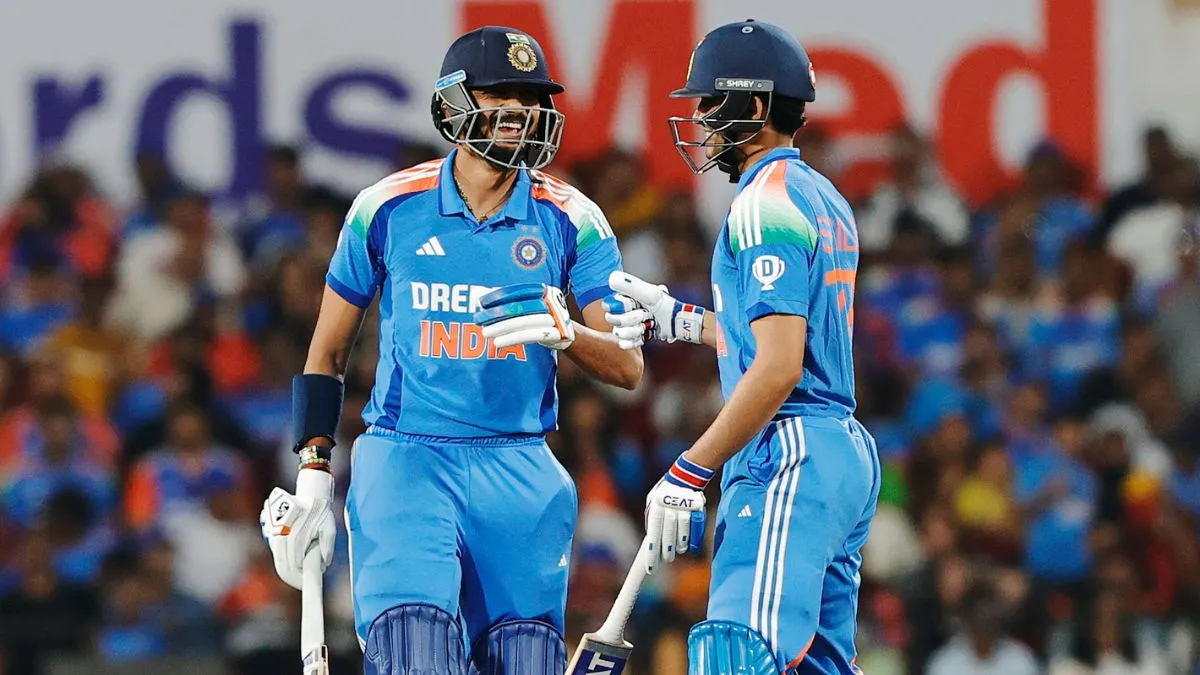
Jacob Bethell received the Player of the Match award for his valuable all-round contribution. He scored 91 runs from 93 deliveries and also claimed one wicket while bowling. His innings helped England establish a strong position, while his bowling contribution added further value.
Ben Duckett deserves special recognition for his outstanding century, which formed the backbone of England’s innings. Rohit Sharma was India’s leading batter, scoring 138 runs under pressure. Sam Curran also delivered an important performance with the ball, taking four wickets. These individual efforts explain why the match remained an interesting contest despite England’s eventual victory.
What the Scorecard Reveals About Both Teams
The england cricket team vs india national cricket team match scorecard highlights the importance of batting partnerships, bowling discipline, and effective finishing. England performed exceptionally well in the first innings, with three major batting contributions helping them reach 387 runs. Their ability to maintain momentum throughout the 50 overs was a significant advantage.
India also demonstrated impressive batting ability, particularly through Rohit Sharma, Shubman Gill, and Virat Kohli. However, losing wickets at important stages made the chase more difficult. The difference between the two sides was not simply the number of runs scored but also the timing of important wickets and the ability to control the final overs.
Importance of the England vs India Cricket Rivalry
England and India have developed one of the most recognised rivalries in international cricket. Their history includes memorable Test matches, exciting ODI encounters, and competitive T20 contests. Both teams have produced legendary batters, talented bowlers, and outstanding all-rounders who have contributed to the popularity of international cricket.
The rivalry is particularly interesting because the teams often approach the game differently. England traditionally focuses on aggressive batting and attacking cricket, while India combines technical batting skills with a versatile bowling attack. These different approaches create exciting contests and give supporters plenty of reasons to follow every series.
Why Fans Follow Match Scorecards
A cricket scorecard offers much more than the final result. It provides useful information about individual performances, partnerships, bowling economy, strike rates, extras, and wickets. Fans who cannot watch an entire match can still understand its progress through the scorecard.
The england cricket team vs india national cricket team match scorecard is especially useful for comparing the performances of players from both countries. Cricket analysts can study the batting order, bowling changes, and scoring patterns to understand the strategies used by each captain. It also helps readers identify emerging players and evaluate experienced performers across different formats.
Conclusion
The England versus India ODI at Lord’s on 19 July 2026 was an entertaining contest featuring excellent batting and important bowling contributions. England scored 387/3, supported by Ben Duckett’s 141, Jacob Bethell’s 91, and Joe Root’s 74 not out. India responded with 360/7, with Rohit Sharma scoring an impressive 138 and Shubman Gill contributing 77. Sam Curran’s four wickets helped England secure a 27-run victory and win the ODI series 2–1.
Overall, the england cricket team vs india national cricket team match scorecard provides a detailed picture of an exciting international encounter. It highlights the importance of strong partnerships, individual brilliance, and effective bowling strategies. Both teams displayed their competitive abilities, giving cricket fans another memorable chapter in this famous international rivalry.

