

The India national cricket team vs West Indies cricket team timeline represents one of the most fascinating rivalries in international cricket. Over several decades, these two teams have produced memorable Test matches, thrilling One Day Internationals (ODIs), exciting T20 contests and outstanding individual performances. Their cricketing journeys reflect changing playing styles, legendary players, dramatic series results and the evolution of the sport across different generations.
West Indies dominated international cricket during much of the 1970s and 1980s, establishing a reputation for powerful batting and fast bowling. India gradually developed into a formidable opponent through technical excellence, talented spin bowlers, disciplined batting and, eventually, an aggressive modern approach. From traditional five-day matches to fast-paced limited-overs competitions, encounters between these sides have offered fans plenty of entertainment. Understanding their timeline helps explain how the rivalry developed and why it remains an important part of international cricket history.
The Beginning of the Rivalry: 1948
The rivalry began in 1948 when India toured the West Indies for a five-Test series. This tour marked an important stage in India’s development as a Test-playing nation, following its independence in 1947. West Indies already possessed considerable international experience and home conditions that challenged visiting teams.
India faced difficult conditions, including unfamiliar pitches, humidity and a strong West Indies bowling attack. The hosts won the series 1–0, while the remaining four Tests ended in draws. Although India did not win the series, the tour provided valuable experience for its developing team and helped establish regular competition between the nations.
This opening chapter laid the foundation for a relationship that would grow across formats. In the years that followed, both teams continued to meet in bilateral series, creating opportunities for players to test their skills against different styles of cricket.
The 1950s: West Indies Establish Their Strength
During the 1950s, West Indies strengthened their position in international cricket. Their batting lineup featured technically gifted players capable of producing long innings, while their bowlers learned to exploit pace, bounce and movement. The team gradually developed the confidence and consistency required to compete against the strongest Test nations.
India, meanwhile, continued building its cricketing identity. Indian batters demonstrated patience and strong defensive technique, while spin bowling became an increasingly important part of the country’s approach. Encounters against West Indies helped Indian players gain experience against high-quality pace bowling and demanding overseas conditions.
The decade was significant because it established the contrasting strengths that would characterize the rivalry for many years. West Indies increasingly became associated with power and pace, whereas India developed a reputation for batting technique, wrist spin and strategic adaptability.
The 1960s: Competitive Test Cricket
The 1960s brought further development to the rivalry as India improved its ability to compete against established international opponents. Test matches frequently depended on patience, partnerships and the ability to adapt to changing pitch conditions. Both teams included players who could influence a match through disciplined batting or sustained bowling spells.
India’s progress was particularly important during this period because overseas success remained difficult to achieve. Playing West Indies required Indian batters to negotiate fast bowlers while maintaining concentration over long sessions. For West Indies, facing India’s developing spin resources presented a different tactical challenge, especially on turning surfaces in the subcontinent.
These encounters helped shape the technical and tactical foundations of both teams. Rather than being defined by a single match, the decade contributed to a wider story of gradual improvement, changing team combinations and growing mutual familiarity.
The 1970s: India Challenges the Established Order
The 1970s represented a major turning point. India developed a more competitive international side, with experienced batters and skilled spin bowlers helping the team challenge stronger opponents. The emergence of influential players gave India greater confidence, particularly in Test cricket.
West Indies also entered a powerful phase, building a side capable of dominating through aggressive batting and intimidating fast bowling. The team began establishing the foundations of the dominance that would define much of the following decade.
One important development was India’s 1971 tour of the West Indies, when India won a Test series in the Caribbean for the first time. The historic achievement demonstrated that India could succeed away from home against an established cricketing power. It also changed the psychological dimension of the rivalry, giving Indian cricket greater belief in its ability to win major overseas contests.
The decade therefore marked a transition from a largely developmental rivalry into a contest featuring genuine competition, memorable performances and growing international significance.
The 1980s: West Indies at Their Peak
West Indies were among the most dominant teams in world cricket during the 1980s. Their combination of explosive batters, experienced captains and formidable fast bowlers made them difficult opponents in both Test matches and ODIs. Players such as Viv Richards, Malcolm Marshall and Clive Lloyd became central figures in the team’s international success.
India, however, produced moments that demonstrated its ability to challenge the Caribbean side. One of the most memorable events came at the 1983 Cricket World Cup. India defeated West Indies in the final at Lord’s, winning its first men’s ODI World Cup. The victory was especially significant because West Indies had won the first two editions of the tournament in 1975 and 1979.
India’s triumph transformed its standing in international cricket and became a defining moment for the sport in the country. It also showed that West Indies’ dominance could be challenged through disciplined bowling, determined fielding and effective batting under pressure.
The 1990s: A Changing Balance of Power
The 1990s saw international cricket change as new generations of players emerged. West Indies remained dangerous opponents, but the team gradually moved away from the extraordinary consistency of its earlier dominant era. India, meanwhile, developed a stronger batting lineup and gained increasing confidence in international competitions.
Indian cricket benefited from the emergence of exceptional batters, including Sachin Tendulkar, whose performances became central to the team’s identity. The growing importance of ODI cricket also created new opportunities for both nations to compete in shorter formats.
West Indies continued producing match-winning players, including Brian Lara, whose exceptional batting ability made him one of the defining cricketers of his generation. Individual performances often shaped the outcome of encounters, and supporters witnessed a rivalry that was becoming more balanced across different conditions.
The decade was therefore an important transition period, connecting West Indies’ historic dominance with India’s growing influence in international cricket.
The 2000s: India Builds a Stronger International Team
During the 2000s, India strengthened its position through improved overseas performances, deeper batting resources and increasingly competitive bowling attacks. The team’s growing professionalism helped it approach international tours with greater confidence and tactical preparation.
West Indies continued to produce talented cricketers, but maintaining the depth and consistency of earlier generations became more challenging. Nevertheless, matches against India remained competitive, particularly when West Indies’ pace bowlers and aggressive batters found conditions suited to their strengths.
The period also highlighted the importance of bilateral tours, where teams could compete across multiple Tests and limited-overs matches. These series allowed younger players to establish themselves while experienced international stars continued shaping the rivalry.
For India, the decade represented a significant step towards becoming one of the leading teams in world cricket. For West Indies, it was a period of rebuilding, with new players attempting to preserve the team’s historic reputation while adapting to changing demands.
The 2010s: Modern Cricket and T20 Growth
The 2010s brought a major expansion of T20 cricket, changing how India and West Indies approached their encounters. The shorter format rewarded powerful hitting, innovative stroke play, specialist death bowling and rapid tactical decisions.
West Indies became particularly successful in international T20 cricket, producing explosive players such as Chris Gayle, Dwayne Bravo and Sunil Narine. Their ability to clear boundaries and perform under pressure made them formidable opponents in the format. India also developed a deep pool of T20 talent, combining established international stars with younger players experienced in domestic competitions and franchise cricket.
The teams met in several high-profile tournaments and bilateral series. Their matches often featured rapid scoring, aggressive batting and changing momentum. The rivalry expanded beyond traditional Test cricket, attracting audiences who preferred shorter, more action-packed contests.
At the same time, Test and ODI encounters remained important. India’s growing consistency and West Indies’ capacity for individual brilliance ensured that the overall rivalry continued to produce contrasting styles and memorable performances.
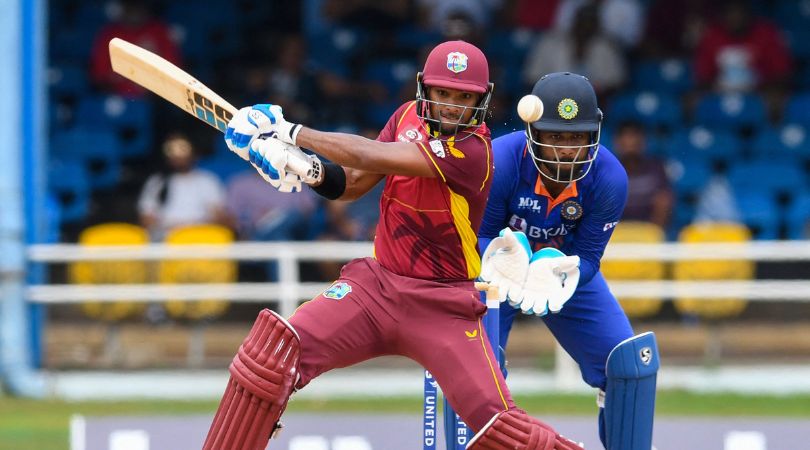
The 2020s: A New Generation Takes Centre Stage
The 2020s have continued the rivalry through all three major international formats. India has generally entered many series with substantial batting depth and a broad selection of bowling options. West Indies has continued developing young players while seeking greater consistency across formats.
Modern cricket places greater emphasis on fitness, data analysis, flexible batting orders and specialized bowling roles. These developments influence how the two teams prepare for each other. Test cricket still rewards concentration and technical discipline, ODIs require a balance between accumulation and acceleration, and T20 matches often turn on a handful of decisive overs.
The India national cricket team vs West Indies cricket team timeline in this era also reflects the increasing importance of squad rotation and workload management. Teams must balance international schedules with franchise tournaments and major global competitions.
Although individual series differ in importance and competitiveness, the matchup remains valuable for assessing emerging talent, testing strategies and comparing the strengths of two cricketing nations with distinctive histories.
Major Milestones in the Rivalry
Several milestones stand out when reviewing the history of India and West Indies cricket. The first Test series in 1948 established the international connection between the teams. India’s historic Test series victory in the Caribbean in 1971 demonstrated the country’s growing ability to compete overseas. The 1983 World Cup final then created one of the most celebrated moments in Indian sporting history.
The rivalry has also been shaped by the rise of ODI cricket, the expansion of T20 internationals and the emergence of players who could change matches through individual excellence. From the classic Test battles of earlier decades to the high-scoring limited-overs contests of recent years, every era has contributed something different.
These milestones are useful for understanding the rivalry beyond simple win-loss statistics. They show how cricketing power shifts over time, how teams respond to changing conditions and how individual achievements can influence national sporting identities.
India vs West Indies Timeline: Key Events Table
| Year or period | Major event | Historical significance |
|---|---|---|
| 1948 | India’s first Test tour of West Indies | Established the rivalry in Test cricket |
| 1950s | Regular Test encounters continue | Both teams developed their international identities |
| 1960s | Increasingly competitive contests | Tactical and technical development continued |
| 1971 | India wins its first Test series in the Caribbean | A landmark overseas achievement |
| 1983 | India defeats West Indies in the World Cup final | India wins its first men’s ODI World Cup |
| 1990s | New generations emerge | Tendulkar and Lara become major figures |
| 2000s | India strengthens internationally | Greater depth and professionalism |
| 2010s | T20 cricket expands | Power hitting and specialist skills gain importance |
| 2020s | New players and modern tactics shape contests | Rivalry continues across three formats |
Key Factors That Influence India vs West Indies Matches
The outcome of a match between these teams depends on several important factors. Conditions are especially significant: Indian pitches can reward spin bowling, while some Caribbean surfaces provide pace, bounce or variable assistance. Teams must also adapt to weather, ground dimensions and the state of the match.
Batting partnerships are another major influence. In Test cricket, the ability to build long innings can exhaust the opposition’s bowlers. In ODIs, maintaining wickets while accelerating at the right time is essential. In T20 matches, aggressive starts and effective finishing can determine the result within a short period.
Important factors include:
- Pitch conditions: Surfaces influence the balance between spin, pace and batting.
- Batting depth: Strong middle orders help teams recover from early wickets.
- Bowling discipline: Accurate line and length can restrict scoring opportunities.
- Fielding standards: Catches, run-outs and boundary saves can change momentum.
- Captaincy decisions: Bowling changes and batting strategies affect match situations.
- Pressure management: Experienced players often make better decisions in crucial moments.
Why This Rivalry Remains Important
The India-West Indies rivalry connects different eras of international cricket. It includes West Indies’ period of exceptional dominance, India’s rise as a major cricketing power and the continuing transformation of the sport through limited-overs formats. Each generation has brought new players, new strategies and fresh opportunities for memorable performances.
For supporters, the rivalry offers a way to appreciate cricket’s history while following emerging talent. Older fans may remember the fast-bowling attacks and classic Test encounters of earlier decades, while younger audiences may associate the matchup with T20 excitement and modern batting innovations.
The rivalry also demonstrates that cricketing success is never permanent. Teams must continually develop talent, improve preparation and adapt to changing conditions. Past achievements provide inspiration, but every new series creates a separate contest in which current form, strategy and execution matter most.
Conclusion
The India national cricket team vs West Indies cricket team timeline tells the story of a rivalry shaped by historic milestones, outstanding players and changing cricketing styles. From the first Test series in 1948 to India’s breakthrough in the Caribbean in 1971 and its famous 1983 World Cup victory, the teams have created moments that remain central to international cricket history.
Over the decades, West Indies’ fast-bowling strength and explosive batting have contrasted with India’s technical skill, spin resources and growing depth across formats. The rise of T20 cricket has added another dimension, ensuring that the rivalry continues to evolve.
Ultimately, the significance of India versus West Indies extends beyond individual results. It reflects the development of international cricket, the influence of legendary players and the enduring appeal of competition between two proud cricketing nations. Future encounters will add new chapters to a history that continues to interest fans across the world.

