

Introduction
The rivalry between India and South Africa is one of the most exciting contests in international cricket. Both teams feature talented batters, experienced bowlers, athletic fielders, and match-winning all-rounders who can change the direction of a game within a few overs. Their encounters across Test matches, One Day Internationals (ODIs), and Twenty20 Internationals (T20Is) frequently provide fans with intense competition and memorable performances. For cricket followers, the India national cricket team vs South Africa national cricket team match scorecard offers a detailed picture of how each innings developed, which players contributed the most, and which moments influenced the final result. Examining the scorecard also helps readers understand batting partnerships, bowling spells, fall of wickets, and the difference between the two teams’ performances.
Latest Match Overview: India vs South Africa
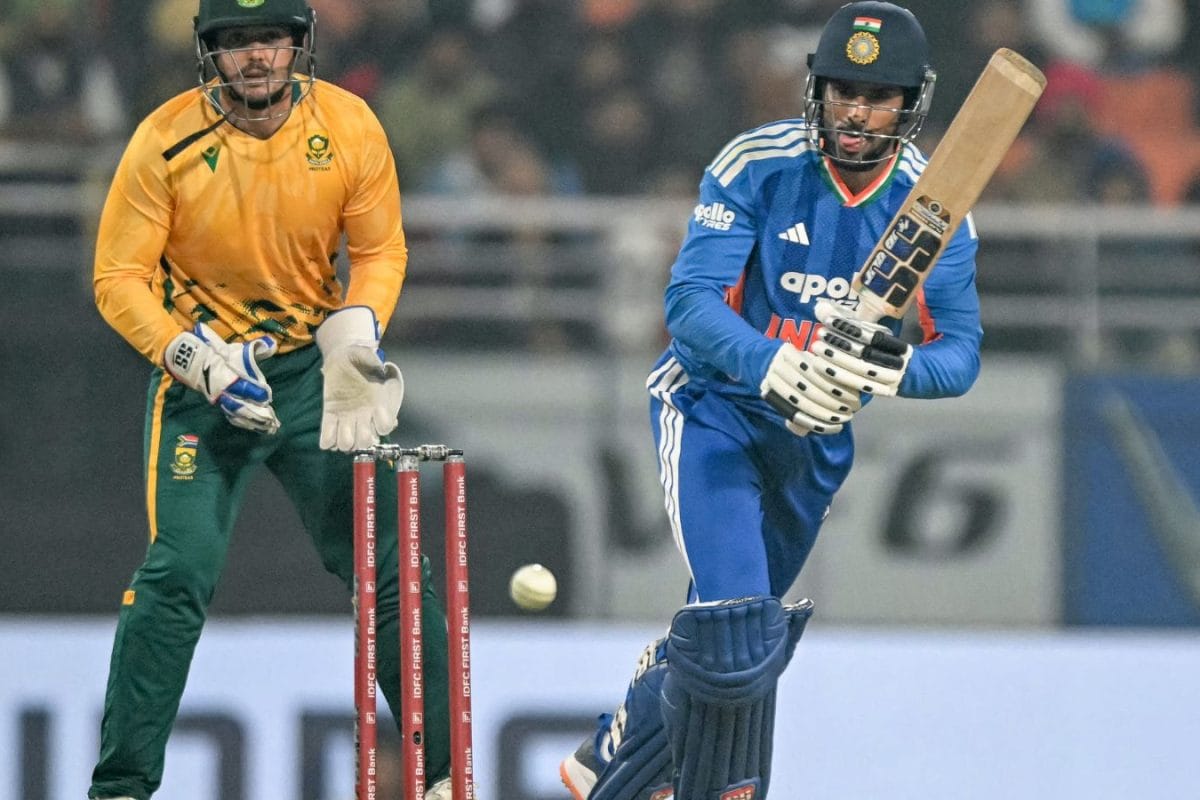
One notable recent encounter took place on 22 February 2026 during the ICC Men’s T20 World Cup Super Eight stage at Narendra Modi Stadium in Ahmedabad. South Africa won the toss and elected to bat first, eventually scoring 187 runs for seven wickets in 20 overs. India struggled during the chase and were dismissed for 111 in 18.5 overs, giving South Africa a 76-run victory. David Miller was named Player of the Match after scoring 63 runs from 35 deliveries. His innings, supported by Dewald Brevis and Tristan Stubbs, helped South Africa recover after losing early wickets and establish a challenging total. The result demonstrated the importance of rebuilding an innings under pressure and executing bowling plans consistently.
Match Scorecard Summary
The following summary presents the main figures from this T20 International contest.
| Match detail | Result |
|---|---|
| Tournament | ICC Men’s T20 World Cup 2026 |
| Match date | 22 February 2026 |
| Venue | Narendra Modi Stadium, Ahmedabad |
| Toss | South Africa elected to bat |
| South Africa | 187/7 in 20 overs |
| India | 111 all out in 18.5 overs |
| Result | South Africa won by 76 runs |
| Player of the Match | David Miller, 63 off 35 balls |
These figures show that South Africa established a substantial advantage during the first innings. India needed consistent partnerships and an aggressive but controlled approach to chase the target, yet regular wickets prevented the home side from building momentum.
South Africa’s Batting Performance
South Africa’s innings began with early setbacks, as the team lost three wickets for just 20 runs. At that stage, India appeared to have an opportunity to restrict the opposition to a modest total. However, David Miller and Dewald Brevis changed the course of the innings with a crucial partnership. Miller scored 63 from 35 balls, striking seven fours and three sixes, while Brevis contributed 45 from 29 deliveries. Their partnership added 97 runs and gave South Africa a strong platform for the final overs. Tristan Stubbs then provided further momentum with an unbeaten 44 from 24 balls, including three sixes. South Africa finished on 187/7, achieving a competitive run rate of 9.35 per over. The recovery illustrated the value of composure, calculated aggression, and effective partnerships in T20 cricket.
South Africa Batting Scorecard
| Batter | Runs | Balls |
|---|---|---|
| Aiden Markram | 4 | 7 |
| Quinton de Kock | 6 | 7 |
| Ryan Rickelton | 7 | 7 |
| Dewald Brevis | 45 | 29 |
| David Miller | 63 | 35 |
| Tristan Stubbs | 44* | 24 |
| Marco Jansen | 2 | 6 |
| Corbin Bosch | 5 | 6 |
| Kagiso Rabada | 0* | 1 |
| Extras | 11 | — |
| Total | 187/7 | 20 overs |
The scorecard highlights the importance of the middle order. Miller’s innings combined powerful stroke play with timely boundary hitting, while Brevis helped maintain the scoring rate during the recovery. Stubbs’ unbeaten contribution added valuable runs at the end. Although India’s bowlers made early breakthroughs, South Africa’s middle-order resilience ensured that the initial pressure did not become a decisive advantage for the opposition.
India’s Bowling Performance
India’s bowling attack produced important early breakthroughs, with Jasprit Bumrah delivering an especially effective spell. He finished with three wickets for 15 runs in four overs, applying pressure through accurate lines and disciplined lengths. Arshdeep Singh also contributed two wickets for 28 runs, while Shivam Dube claimed one wicket. These efforts helped India remove three South African batters early in the innings. However, the middle overs proved more challenging as Miller and Brevis built their partnership and forced the Indian bowlers to defend against boundaries on both sides of the wicket. Varun Chakaravarthy conceded 47 runs in four overs, while Hardik Pandya gave away 45 runs without taking a wicket. South Africa’s late scoring further increased the target, showing how important it is for bowling teams to maintain control after taking early wickets.
India’s Batting Performance During the Chase
India’s chase began poorly, with Ishan Kishan dismissed for a duck and Tilak Varma departing after scoring one run. Abhishek Sharma made 15 from 12 balls, but his dismissal left India searching for stability. Captain Suryakumar Yadav scored 18 from 22 deliveries, while Washington Sundar added 11. The early wickets prevented India from developing a strong opening partnership, increasing the required scoring rate as the innings progressed. Shivam Dube provided the most substantial resistance with 42 runs from 37 balls, including three sixes, while Hardik Pandya contributed 18. However, the lower order could not establish the partnerships needed to keep the chase alive. India’s innings ended at 111 in 18.5 overs, well short of the target. The collapse demonstrated how quickly a T20 chase can become difficult when wickets fall at regular intervals.
India Batting Scorecard
| Batter | Runs | Balls |
|---|---|---|
| Ishan Kishan | 0 | 4 |
| Abhishek Sharma | 15 | 12 |
| Tilak Varma | 1 | 2 |
| Suryakumar Yadav | 18 | 22 |
| Washington Sundar | 11 | 11 |
| Shivam Dube | 42 | 37 |
| Hardik Pandya | 18 | 17 |
| Rinku Singh | 0 | 2 |
| Arshdeep Singh | 1 | 2 |
| Varun Chakaravarthy | 0* | 3 |
| Jasprit Bumrah | 0 | 1 |
| Extras | 5 | — |
| Total | 111 all out | 18.5 overs |
Dube’s innings was India’s leading individual contribution, but the team required more support from the top order. The scorecard shows that only a few batters reached double figures, while several wickets fell before partnerships could develop. Against a target of 188, India needed a stronger powerplay and more consistent scoring through the middle overs.
South Africa’s Bowling Performance
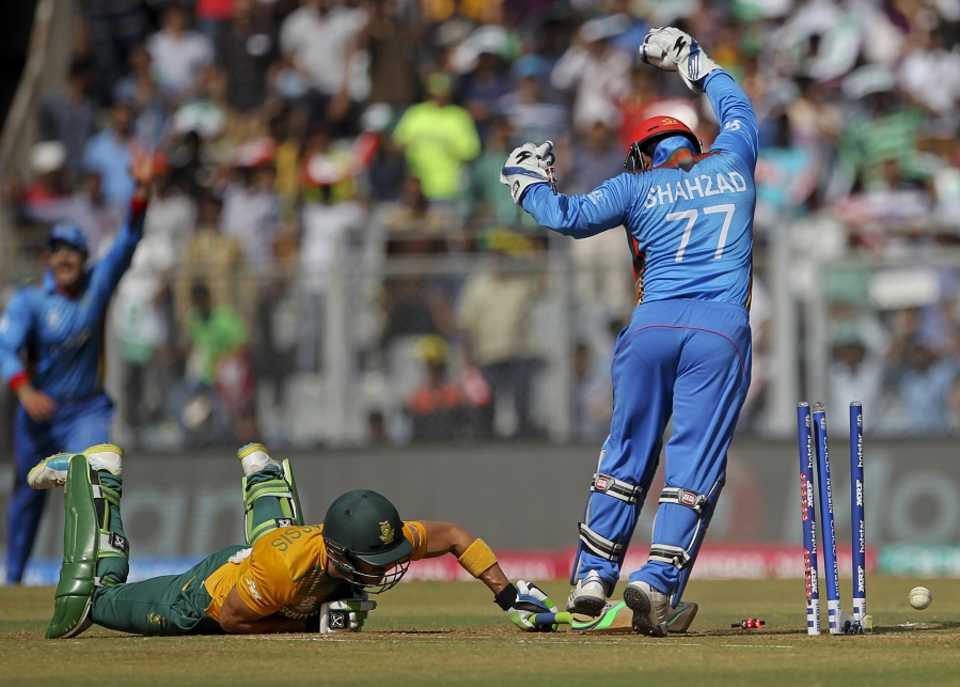
South Africa’s bowlers defended the target with discipline, pace variation, and well-planned field placements. Marco Jansen was the standout performer, taking four wickets for 22 runs in 3.5 overs. His ability to find movement and vary his pace disrupted India’s batting rhythm. Keshav Maharaj took three wickets for 24 runs, applying pressure through spin and exploiting the batters’ need to increase the scoring rate. Corbin Bosch also made a valuable contribution with two wickets for 12 runs in three overs. Aiden Markram removed Ishan Kishan early, setting the tone for the innings. Lungi Ngidi conceded only 15 runs in his four overs, demonstrating the effectiveness of accurate bowling even without taking a wicket. Together, these performances ensured that India never gained sustained control of the chase.
Key Turning Points of the Match
Several moments shaped the final result. First, South Africa’s early wickets created an opportunity for India to restrict the total, but the Miller–Brevis partnership reversed the momentum. Their 97-run stand transformed a difficult position into a strong scoring platform. Second, Stubbs’ unbeaten contribution during the closing overs helped South Africa reach 187, a target that demanded consistent scoring from India’s batters. Third, India’s early collapse during the powerplay placed the chase under immediate pressure. Losing wickets while the required run rate was climbing left the middle order with little room to settle. Finally, South Africa’s bowling attack continued taking wickets instead of allowing Dube to build a match-changing partnership. These moments explain why the India national cricket team vs South Africa national cricket team match scorecard reflects a comprehensive South African victory rather than a close finish.
Head-to-Head Rivalry Between India and South Africa
India and South Africa have developed a competitive international rivalry across all three major formats. India traditionally benefits from its deep batting resources and varied spin options, while South Africa is renowned for its pace attack, athletic fielding, and powerful middle order. The balance between these strengths makes their encounters interesting for both casual viewers and dedicated cricket analysts. Conditions also influence the contests. Indian pitches may offer assistance to spinners, while South African surfaces can provide extra pace and bounce for fast bowlers. In limited-overs cricket, the powerplay, middle-over partnerships, and death bowling frequently determine the outcome. In Test matches, patience, technique, and the ability to adapt across several days become more important. Every match should therefore be assessed in the context of its format, venue, conditions, and available players.
How to Read a Cricket Match Scorecard
A cricket scorecard contains more than the final number of runs. Batting figures show runs scored, balls faced, boundaries, and strike rates, helping readers assess how effectively players contributed. Bowling figures record overs, maidens, runs conceded, wickets, and economy rates. The fall-of-wickets section explains when batters were dismissed and how the innings progressed. Extras include wides, no-balls, byes, and leg-byes, depending on the match. Partnerships show how batters combined to add runs, while the result section records the winner and margin of victory. When reviewing the India national cricket team vs South Africa national cricket team match scorecard, readers should examine these details together rather than judging a performance solely by total runs or wickets. A batter’s contribution may be valuable because of timing, pressure, or the situation in which those runs were scored.
Lessons From the India vs South Africa Contest
This encounter offered important lessons for both sides. South Africa demonstrated that early wickets do not necessarily determine an innings when middle-order batters remain calm and construct partnerships. Miller’s innings was particularly significant because he combined aggression with the ability to rebuild after the top order struggled. India, meanwhile, faced a reminder that a successful T20 chase requires both intent and stability. Aggressive batting is valuable, but losing several wickets early can make even a manageable target difficult to achieve. South Africa’s bowling also highlighted the importance of adapting pace and length to different batters. For India, improving the opening partnership and maintaining scoring options through the middle overs would be important areas to consider. These lessons are relevant beyond one game because successful international teams continually adjust their tactics based on match situations.
Conclusion
The India–South Africa contest in Ahmedabad on 22 February 2026 provided a clear example of how strong partnerships and disciplined bowling can decide a high-pressure T20 match. South Africa recovered from early setbacks to post 187/7, with David Miller, Dewald Brevis, and Tristan Stubbs playing crucial roles. India struggled during the chase and were dismissed for 111, giving South Africa a 76-run win. Marco Jansen’s four-wicket spell and Keshav Maharaj’s three wickets helped ensure that the target remained out of reach. Reviewing the India national cricket team vs South Africa national cricket team match scorecard gives readers a fuller understanding of individual contributions, team strategies, and decisive moments. Ultimately, the contest demonstrated that successful cricket depends not only on talent but also on partnerships, adaptability, composure, and execution under pressure.

