

Introduction
Cricket matches between India and England have always attracted considerable attention from fans around the world. Both teams have a rich cricketing history, talented players, experienced captains, and competitive playing styles. Whenever these sides meet in Test matches, One Day Internationals (ODIs), or Twenty20 Internationals (T20Is), supporters eagerly follow every run, wicket, partnership, and important moment. The India national cricket team vs England cricket team match scorecard is an important resource for understanding how a match develops and which players make the biggest contributions.
A cricket scorecard provides much more than the final result. It presents individual batting scores, bowling figures, extras, partnerships, fall of wickets, innings totals, and other important statistics. Whether someone watches the match live or checks the result afterward, the scorecard helps explain the complete performance of both teams. Understanding these details makes it easier to evaluate team strategies, individual contributions, and the factors that influence the final outcome.
Understanding the India vs England Cricket Rivalry
The rivalry between India and England is one of the most recognised contests in international cricket. It began with Test cricket and gradually expanded into limited-overs formats, creating several memorable encounters. England introduced the sport to India, but Indian cricket has developed into a major international force with exceptional batting depth, quality spin bowling, and a strong fast-bowling attack. England, meanwhile, has built a reputation for aggressive batting, innovative strategies, and competitive pace bowling.
Over the years, both teams have experienced victories in challenging conditions. Indian players have demonstrated their abilities on English pitches, while England’s cricketers have produced impressive performances in India. The changing conditions, different playing surfaces, and contrasting strategies make every series interesting. Fans examine the scorecard to understand how individual performances influence the result and how each team responds to pressure during different stages of a match.
Latest India vs England Match Scorecard: 2026 ODI Series
One notable recent encounter took place during the third ODI at Lord’s, London, on 19 July 2026. England defeated India by 27 runs in a high-scoring contest and secured the three-match ODI series by 2–1. England batted first and produced an impressive total of 387 runs for three wickets in 50 overs. India responded with 360 runs for seven wickets but could not complete the challenging chase.
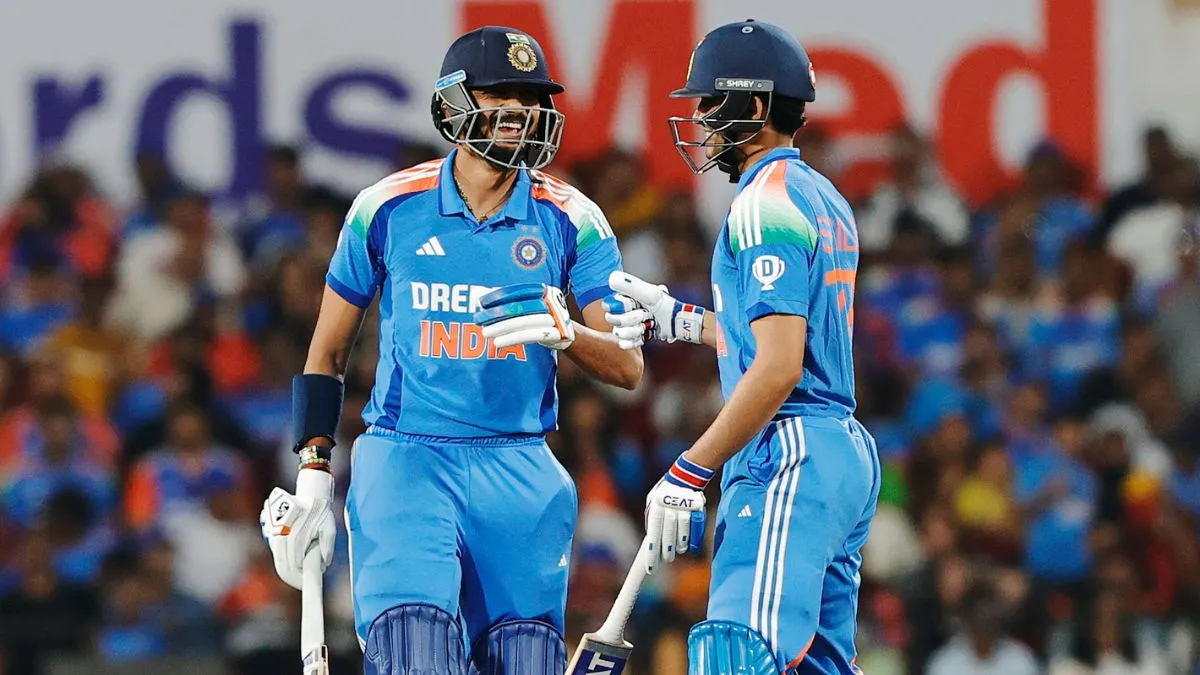
The match featured outstanding batting performances from both sides. Ben Duckett scored 141 runs for England, while Jacob Bethell contributed 91. Joe Root remained unbeaten on 74, helping England maintain momentum towards the end of the innings. India had an equally impressive response through Rohit Sharma, who scored 138, and Shubman Gill, who added 77. Virat Kohli also made a valuable contribution with 74 runs. However, England’s bowling attack managed to control the final stages of the chase.
Match Summary
| Match Detail | Information |
|---|---|
| Teams | India vs England |
| Format | Third ODI |
| Date | 19 July 2026 |
| Venue | Lord’s, London |
| England’s score | 387/3 in 50 overs |
| India’s score | 360/7 in 50 overs |
| Result | England won by 27 runs |
| Series result | England won 2–1 |
England Batting Performance
England’s innings was built around an excellent contribution from Ben Duckett. His 141-run knock provided the foundation for a powerful total. Jacob Bethell supported him with 91 runs, creating an important partnership that helped England recover from the early stages and accelerate during the middle overs. Joe Root continued the momentum with an unbeaten 74, displaying excellent control and experience.
Jos Buttler added further momentum with an aggressive 41 from just 13 deliveries. His late contribution helped England collect valuable runs during the final overs. The combination of steady batting and attacking stroke play allowed England to finish with 387 runs. This total created considerable pressure on India because the required run rate remained demanding throughout the chase.
India Batting Performance
India started the chase with the objective of maintaining a strong scoring rate while protecting wickets. Shubman Gill scored 77 runs and helped establish a competitive opening phase. Rohit Sharma then delivered one of the most impressive performances of the match, scoring 138 runs from 110 deliveries. His innings included 17 fours and five sixes, demonstrating excellent timing and attacking ability.
Virat Kohli contributed 74 runs, forming an important partnership with Rohit. For a period, India appeared capable of reaching the target because the scoring rate remained competitive. However, Rohit’s dismissal changed the momentum. England used the opportunity to take additional wickets and restrict India’s scoring options. India eventually finished on 360/7, falling 27 runs short of the target.
Important Players and Their Contributions
Individual performances often determine the outcome of closely contested international matches. In the Lord’s ODI, several players from both teams delivered memorable contributions. Duckett’s century gave England a strong platform, while Bethell and Root maintained the scoring momentum. Buttler’s quick innings during the closing overs further increased the pressure on India’s bowlers.
For India, Rohit Sharma’s century was the biggest batting highlight. Gill and Kohli also played important roles in keeping the chase alive. However, England’s bowling unit performed effectively when the match reached its decisive stage. Sam Curran took four wickets, making a major contribution to England’s victory. Jacob Bethell also played an important role by dismissing Rohit Sharma, whose wicket changed the direction of the contest.
How to Read a Cricket Match Scorecard
A cricket scorecard contains several statistical categories that explain the progress of an innings. New cricket followers sometimes focus only on the total runs and wickets, but a detailed scorecard provides much more useful information. Learning the meaning of each column helps readers understand how a team performed and which players influenced the result.
The batting section generally includes the player’s name, runs scored, balls faced, boundaries, sixes, and strike rate. The bowling section displays overs bowled, maiden overs, runs conceded, wickets taken, and economy rate. Other sections include extras, fall of wickets, partnerships, and the final innings total. Together, these statistics provide a complete picture of the match.
Important Scorecard Terms
| Scorecard Term | Meaning |
|---|---|
| Runs (R) | Total runs scored by a batter |
| Balls (B) | Deliveries faced by a batter |
| Fours | Boundaries scored along the ground |
| Sixes | Balls hit over the boundary |
| Strike Rate | Runs scored per 100 balls |
| Overs (O) | Number of overs bowled |
| Wickets (W) | Number of batters dismissed |
| Economy | Average runs conceded per over |
| Extras | Additional runs awarded to the batting team |
The Importance of Batting Statistics
Batting statistics are among the most important parts of an international cricket scorecard. They help readers identify which players contributed the most runs and how efficiently they scored. A batter who scores 80 runs from 60 deliveries has played a different type of innings from someone who makes 80 runs from 110 deliveries. Both contributions can be valuable, but their impact depends on the match format and situation.
Strike rate is particularly important in limited-overs cricket. In T20 matches, aggressive scoring can change the direction of a game within a few overs. In ODIs, batters need to balance attacking shots with consistent partnerships. Test cricket requires a different approach because players must manage time, pitch conditions, and changing bowling strategies. Therefore, batting statistics should always be considered alongside the match situation.
Understanding Bowling Figures and Team Strategies
Bowling figures help explain how effectively a team restricted its opposition. The number of wickets taken, runs conceded, economy rate, and overs completed provide valuable information about a bowler’s performance. Fast bowlers generally use pace, swing, seam movement, and variations to challenge batters. Spinners rely on flight, turn, accuracy, and changes in speed to create opportunities.
In the India versus England rivalry, bowling strategies frequently play a decisive role. Indian teams have traditionally produced quality spin options, while England have developed strong fast-bowling resources. However, both teams now possess balanced bowling attacks with different styles. A detailed India national cricket team vs England cricket team match scorecard helps fans compare these performances and identify which bowlers controlled the game during important periods.
Different Match Formats Between India and England
India and England compete across three major international formats: Test cricket, ODI cricket, and T20I cricket. Each format follows different rules and creates different statistical patterns.
Test Cricket
Test matches are played over a maximum of five days, with each team normally having two innings. Batters need patience and technical discipline, while bowlers must maintain accuracy and consistency over long spells. The scorecard includes individual innings totals, bowling figures, partnerships, and information about the match result.
One Day International Cricket
ODI matches generally consist of 50 overs per side. Teams aim to build a strong innings while maintaining a competitive run rate. Batting partnerships, middle-over strategies, and death-over performances are particularly important. The 2026 Lord’s encounter demonstrated how a high-scoring ODI can remain competitive until the final stages.
Twenty20 International Cricket
T20I cricket is the shortest international format, with 20 overs per team. Batters frequently attempt aggressive shots, while bowlers use slower deliveries, yorkers, and other variations. The scorecard highlights strike rates, boundaries, wickets, and economy rates. These statistics help explain how quickly a team scored and whether its bowling attack successfully controlled the opposition.
Why Fans Follow India vs England Match Scorecards
Cricket supporters follow match scorecards for several reasons. Some fans want to check the final result, while others are interested in individual player performances. A detailed scorecard also helps analysts compare different matches, identify consistent performers, and evaluate team combinations.
The India national cricket team vs England cricket team match scorecard is especially useful for people who cannot watch an entire match live. It provides an organised summary of the action and allows readers to understand how the contest developed. Supporters can also compare batting averages, bowling records, strike rates, and partnerships across multiple matches.
Another important advantage is that scorecards help readers understand tactical decisions. For example, a team might accelerate its scoring after a successful partnership or introduce a spinner when the pitch begins to offer turn. These details provide a deeper understanding of cricket beyond the final result.
Key Factors That Influence Match Results
Several factors determine whether India or England gains an advantage during an international match. Pitch conditions are important because they influence batting and bowling strategies. A flat surface may support high-scoring innings, while a pitch offering movement or turn can make batting more challenging.
Weather conditions can also influence the outcome, particularly in England, where rain and cloud cover sometimes affect playing conditions. Team selection, player fitness, captaincy decisions, and fielding standards are equally important. A dropped catch or missed run-out opportunity can change the direction of a close contest.
Partnerships are another major factor. Strong partnerships help teams recover from early wickets and build competitive totals. During a successful chase, batters must understand when to attack and when to protect their wickets. These elements become easier to analyse when readers examine the complete scorecard rather than focusing only on the final numbers.
Conclusion
The India versus England cricket rivalry continues to produce exciting contests across Test matches, ODIs, and T20Is. The 2026 Lord’s ODI provided an excellent example of competitive international cricket, with England scoring 387/3 and defeating India by 27 runs despite impressive batting performances from Rohit Sharma, Shubman Gill, and Virat Kohli.
The India national cricket team vs England cricket team match scorecard offers valuable information about individual contributions, team totals, bowling performances, and important match situations. By understanding batting statistics, bowling figures, partnerships, and match summaries, readers can develop a clearer picture of how international cricket matches unfold. Whether following a live contest or reviewing a completed series, scorecards remain an essential resource for every cricket enthusiast.

