

Introduction
Cricket matches between Pakistan and South Africa have always attracted attention from fans because both teams are known for their competitive spirit, talented players, and different approaches to the game. Pakistan is recognised for its unpredictable batting, quality fast bowlers, and impressive spin options, while South Africa has traditionally combined powerful batting with disciplined pace bowling and athletic fielding. Whenever these sides meet, supporters expect an exciting contest featuring individual brilliance and important team contributions. The Pakistan national cricket team vs South Africa national cricket team match scorecard is an important resource for understanding how a match develops, which players perform well, and what factors influence the final result.
A cricket scorecard offers much more than the final number of runs. It records individual batting performances, bowling figures, extras, partnerships, fall of wickets, and other important details. By studying these statistics, readers can understand how one team established control and how the opposition responded. Whether the match takes place in Test cricket, One Day Internationals, or T20 Internationals, scorecard information helps fans follow the competition and evaluate the performances of both teams.
Pakistan vs South Africa 3rd ODI Match Scorecard
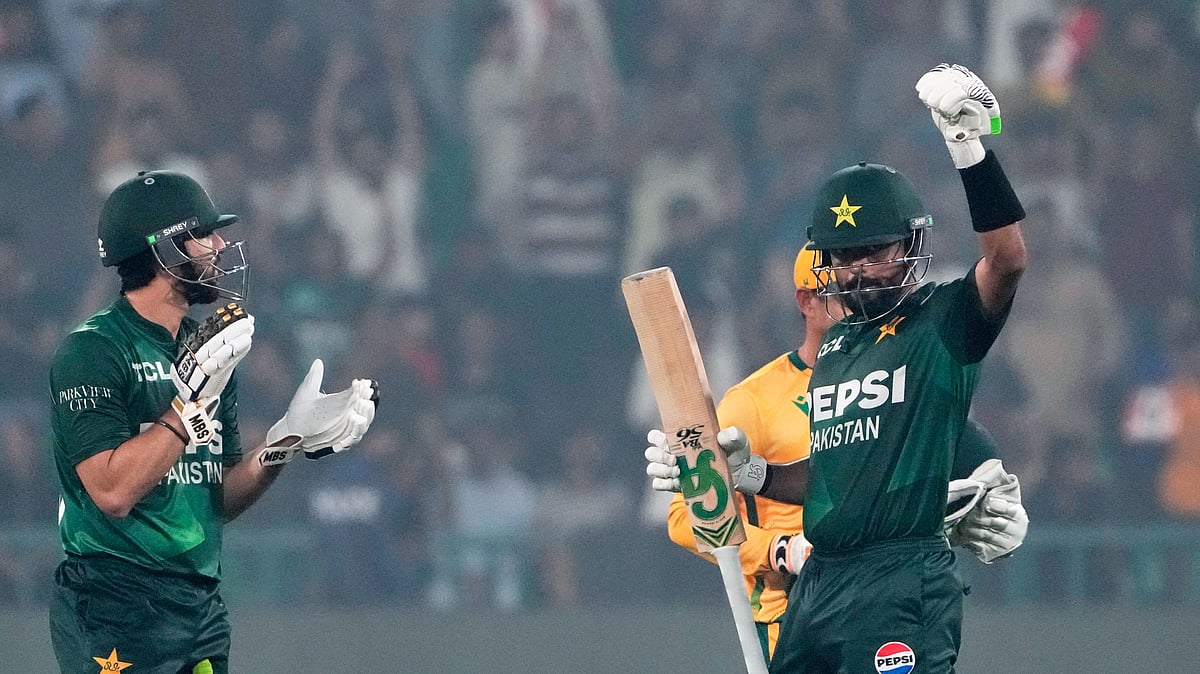
One memorable recent encounter between these teams took place on 8 November 2025 at Faisalabad during South Africa’s tour of Pakistan. Pakistan produced an impressive performance, defeating South Africa by seven wickets under the DLS method. South Africa were dismissed for 143 runs, while Pakistan successfully reached 144/3 in 25.1 overs. The result gave Pakistan another ODI series victory and demonstrated the effectiveness of their bowling attack and top-order batting. Abrar Ahmed was named Player of the Match for his outstanding bowling contribution.
Match Summary and Scorecard
| Match detail | Information |
|---|---|
| Teams | Pakistan vs South Africa |
| Match | 3rd ODI |
| Date | 8 November 2025 |
| Venue | Faisalabad |
| South Africa | 143 all out |
| Pakistan | 144/3 (25.1 overs) |
| Result | Pakistan won by 7 wickets (DLS) |
| Player of the Match | Abrar Ahmed |
This result highlighted the importance of taking wickets early and building partnerships during a shortened run chase. Pakistan’s bowlers restricted South Africa to a modest total, allowing the batters to approach the target with confidence.
South Africa’s Batting Performance
South Africa entered the match with expectations of producing a competitive batting performance. However, Pakistan’s bowling attack created pressure throughout the innings. The South African batters struggled to establish long partnerships, and the regular fall of wickets prevented the team from building a substantial total. Their final score of 143 reflected Pakistan’s effective bowling strategy and ability to maintain control during important phases of the innings.
Quinton de Kock was one of South Africa’s leading contributors, scoring 53 runs from 70 deliveries, including six boundaries and one six. His innings provided some resistance and helped the team maintain a degree of stability. However, the other batters were unable to provide enough support to turn his contribution into a challenging total. Pakistan’s disciplined bowling and fielding ultimately limited South Africa’s scoring opportunities.
Pakistan’s Bowling Performance
Pakistan’s bowling attack played a decisive role in the match. The bowlers focused on maintaining accurate lines, controlling scoring opportunities, and creating pressure through regular wickets. Their performance prevented South Africa from developing momentum during the innings. Pakistan also benefited from the variety available in its bowling lineup, which allowed the captain to use different options depending on the match situation.
Abrar Ahmed delivered the standout performance, taking four wickets for 27 runs in his 10 overs, including one maiden over. His economical bowling and ability to break partnerships made a significant difference. Shaheen Shah Afridi and the other Pakistan bowlers also contributed to the team’s overall effort. Abrar’s performance earned him the Player of the Match award and demonstrated how effective spin bowling can be in controlling an opposition batting lineup.
Pakistan’s Batting Performance
Chasing a target of 144 runs, Pakistan approached the innings with confidence and a clear objective. The team needed to avoid unnecessary risks while maintaining a healthy scoring rate. Its batters showed good awareness of the match situation and took advantage of scoring opportunities. Instead of allowing pressure to build, Pakistan maintained control of the chase and reached the target comfortably.
Saim Ayub was particularly impressive, scoring 77 runs from 70 deliveries with 11 fours and one six. His attacking yet controlled approach helped Pakistan establish a strong position. His innings demonstrated the importance of combining shot selection with consistent scoring. The team’s successful chase also reflected the value of having technically capable batters who can adapt their approach according to the required run rate.
Important Moments That Influenced the Match
Several important moments shaped the outcome of this encounter. The first major turning point was Pakistan’s ability to take wickets at regular intervals. South Africa needed stable partnerships to establish a competitive score, but Pakistan’s bowlers did not allow the opposition to settle comfortably. This created pressure on the middle order and forced the remaining batters to take greater risks.
Another significant moment was Abrar Ahmed’s bowling spell. His four wickets reduced South Africa’s ability to accelerate during the innings. The second major turning point came during Pakistan’s run chase when Saim Ayub played a valuable innings. His ability to find boundaries and rotate the strike ensured that Pakistan remained ahead of the required scoring rate. These contributions collectively helped Pakistan secure a convincing victory.
Head-to-Head Rivalry Between Pakistan and South Africa
Pakistan and South Africa have developed an interesting cricket rivalry across all three international formats. Their encounters often feature contrasting playing styles. Pakistan traditionally relies on skilful fast bowling, wrist spin, and unpredictable batting performances. South Africa generally focuses on disciplined bowling, strong fielding, and technically sound batting.
In Test cricket, both teams have experienced competitive contests involving long batting partnerships and demanding bowling spells. In ODIs, their matches often depend on middle-order stability, powerplay performance, and the ability to handle pressure during the final overs. T20 matches bring another dimension to the rivalry because aggressive batting and specialist death bowling become particularly important.
The Pakistan national cricket team vs South Africa national cricket team match scorecard helps supporters compare individual performances across these formats. It also allows readers to understand how different players perform against particular bowling styles and match conditions. Historical results provide useful context, although every new match creates a separate opportunity for players to influence the rivalry.
Understanding the Complete Match Scorecard
A cricket scorecard contains several statistical categories that help readers understand the progress of a match. People who follow international cricket regularly use these details to evaluate batting consistency, bowling efficiency, and overall team performance.
The following are some of the most important scorecard elements:
-
Runs: The total number of runs scored by a batter or team.
-
Balls faced: The number of deliveries faced by an individual batter.
-
Strike rate: The number of runs scored per 100 balls faced.
-
Overs: The number of overs delivered by a bowler.
-
Economy rate: The average number of runs conceded per over.
-
Wickets: The number of opposition batters dismissed by a bowler.
-
Extras: Runs awarded through wides, no-balls, byes, and leg-byes.
-
Fall of wickets: The score and over at which each wicket falls.
Understanding these statistics makes it easier to interpret the Pakistan national cricket team vs South Africa national cricket team match scorecard without relying only on the final result. For example, a batter scoring 40 runs from 25 balls may have made a greater impact in a T20 match than someone scoring 40 from 55 balls. Similarly, a bowler conceding fewer runs while taking important wickets can significantly influence the outcome.
Performance Comparison Between Both Teams
The Faisalabad ODI provided a clear example of how different aspects of cricket contribute to a team’s success. Pakistan performed better with the ball, while its batting lineup successfully completed the chase. South Africa showed some resistance through Quinton de Kock, but the team could not build enough partnerships to challenge Pakistan.
| Performance category | Pakistan | South Africa |
|---|---|---|
| Team total | 144/3 | 143 all out |
| Top batting performance | Saim Ayub – 77 | Quinton de Kock – 53 |
| Bowling highlight | Abrar Ahmed – 4/27 | Could not prevent the chase |
| Final result | Won by 7 wickets | Lost |
The comparison demonstrates that cricket is a team sport in which individual performances must support a larger strategy. A strong bowling display can create opportunities for batters, while a successful batting partnership can finish the job. Pakistan managed both aspects effectively in this particular encounter.
Different Formats of Pakistan vs South Africa Matches

Test Cricket
Test cricket provides the longest format of competition between Pakistan and South Africa. These matches usually require patience, technical batting skills, and the ability to maintain concentration over multiple sessions. Scorecards include first and second innings, bowling figures, partnerships, and follow-on information. A team’s performance must be evaluated across several days rather than through a single batting or bowling session.
One Day International Cricket
ODI cricket offers a balanced combination of attacking and defensive strategies. Both teams receive 50 overs, which makes batting partnerships and middle-over scoring particularly important. Powerplay performance, bowling changes, and death-over execution can determine the final result. The Pakistan national cricket team vs South Africa national cricket team match scorecard from the Faisalabad ODI illustrates how an effective bowling performance can create a manageable run chase.
T20 International Cricket
T20 cricket is generally faster and more aggressive. Each team receives 20 overs, so players must make quick decisions and maintain a high scoring rate. Batters focus on boundary hitting, while bowlers use yorkers, slower deliveries, and variations to restrict scoring. T20 scorecards help fans identify the players who make the biggest impact in a limited number of deliveries.
Key Players to Watch in Future Encounters
Both teams have talented players who can change the direction of a match through individual performances. Pakistan has featured players such as Babar Azam, Mohammad Rizwan, Shaheen Shah Afridi, Saim Ayub, and Abrar Ahmed. Their strengths include batting technique, aggressive stroke play, pace bowling, and spin variations.
South Africa has also featured outstanding international performers, including Quinton de Kock, Aiden Markram, Kagiso Rabada, Marco Jansen, and David Miller. These players bring different qualities to the team, from explosive batting to effective fast bowling.
Player availability, current form, fitness, and team selection can change before every series. Therefore, readers should distinguish between historical scorecard information and confirmed playing elevens for upcoming matches. Looking at recent performances can help fans understand which players may influence the next encounter.
Why Fans Follow Match Scorecards
Cricket supporters follow scorecards because they provide a detailed record of everything that happens during a match. Fans who cannot watch a live broadcast can still understand the match through innings totals, individual scores, wickets, and bowling statistics. Scorecards are also useful for sports writers, analysts, fantasy cricket followers, and people interested in comparing historical performances.
The Pakistan national cricket team vs South Africa national cricket team match scorecard is particularly interesting because both sides have produced memorable individual performances over the years. Comparing batting averages, strike rates, bowling economy, and wicket-taking records allows readers to identify important contributions beyond the final result.
Digital cricket platforms have made match information easier to access. Modern scorecards often include ball-by-ball updates, partnership statistics, player comparisons, and detailed match summaries. These features help beginners understand cricket while allowing experienced supporters to examine the tactical aspects of international matches.
Frequently Asked Questions
1. Who won the Pakistan vs South Africa 3rd ODI in November 2025?
Pakistan won the third ODI by seven wickets using the DLS method after restricting South Africa to 143 runs.
2. Who was the Player of the Match?
Abrar Ahmed received the Player of the Match award for taking four wickets for 27 runs.
3. What was Pakistan’s score in the match?
Pakistan scored 144/3 in 25.1 overs while chasing the revised target.
4. Who was the highest scorer for Pakistan?
Saim Ayub was Pakistan’s leading scorer with 77 runs from 70 deliveries.
5. How many runs did Quinton de Kock score?
Quinton de Kock scored 53 runs from 70 balls for South Africa.
6. Why is a cricket match scorecard important?
A scorecard provides detailed information about batting, bowling, extras, partnerships, wickets, and the final match result.
7. Where can fans find Pakistan vs South Africa match statistics?
Fans can consult official cricket boards and recognised cricket statistics platforms for verified scorecards, player figures, and match summaries.
Conclusion
Pakistan and South Africa continue to provide exciting international cricket contests through their competitive playing styles and talented players. Their Faisalabad ODI on 8 November 2025 demonstrated how disciplined bowling, important batting contributions, and effective teamwork can determine a match result. Pakistan’s victory by seven wickets highlighted Abrar Ahmed’s excellent bowling and Saim Ayub’s impressive batting performance.
The Pakistan national cricket team vs South Africa national cricket team match scorecard offers valuable information for understanding individual contributions and overall team performance. By examining batting figures, bowling statistics, partnerships, and match results, cricket enthusiasts can develop a better understanding of the game. Whether following Test matches, ODIs, or T20 Internationals, detailed scorecards remain an essential part of enjoying and analysing international cricket.

