

Introduction
Cricket matches between India and Pakistan have always attracted enormous attention from fans around the world. These two teams share one of the most competitive rivalries in international cricket, with every meeting bringing excitement, pressure and unforgettable performances. Supporters closely follow batting scores, bowling figures, partnerships, wickets and individual contributions to understand how the match developed. The India national cricket team vs Pakistan national cricket team match scorecard is particularly popular among cricket enthusiasts who want to examine the complete performance of both sides.
The rivalry includes memorable encounters across Test matches, One Day Internationals and Twenty20 Internationals. Both teams have produced exceptional batters, talented bowlers and match-winning all-rounders over the years. Their contests are not only about winning but also about handling pressure and delivering strong performances when expectations are high. Understanding a match scorecard helps readers explore these important moments and appreciate the strategies behind each result.
Latest India vs Pakistan Cricket Match Overview
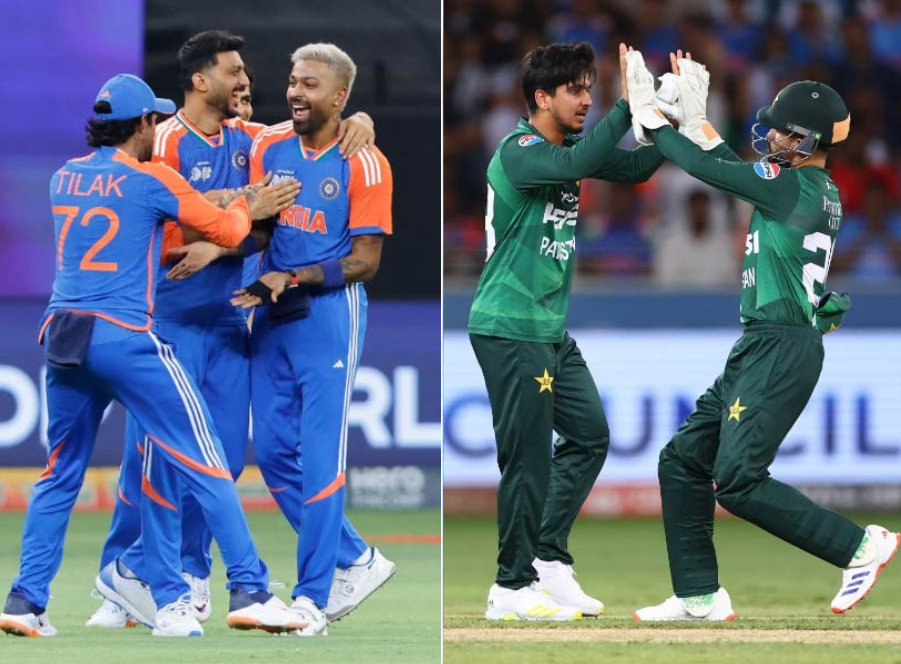
One of the latest senior men’s international meetings between India and Pakistan took place on October 3, 2026, during the Asian Games cricket competition. The match attracted significant attention because both teams were competing for the gold medal. India delivered an impressive batting performance before its bowlers successfully defended the target.
India scored 211 runs for six wickets in 20 overs. Pakistan responded with 192 runs for six wickets, finishing 19 runs behind the target. India secured the victory and claimed the gold medal, while Pakistan finished with the silver medal. The result highlighted India’s ability to combine aggressive batting with effective bowling under pressure.
India vs Pakistan Match Scorecard
The following summary presents the main team totals and important individual performances from the October 3, 2026, Asian Games final.
| Match Details | Information |
|---|---|
| Tournament | Asian Games 2026 |
| Match | India vs Pakistan |
| Date | October 3, 2026 |
| Format | T20 |
| India Score | 211/6 (20 overs) |
| Pakistan Score | 192/6 (20 overs) |
| Result | India won by 19 runs |
| Indian Top Scorer | Abhishek Sharma – 61 |
| Indian Finishing Contribution | Tilak Varma – 51 not out |
| Pakistan Top Scorer | Hasan Nawaz – 96 off 51 balls |
The figures provide a useful overview of the final, showing how India established a competitive total and Pakistan attempted to challenge it. The scorecard also demonstrates the importance of individual batting performances in a short-format international match.
India Batting Performance
India started its innings with an aggressive approach, looking to establish momentum during the powerplay. Abhishek Sharma played an important role at the top of the order, scoring 61 runs. His attacking style helped India build a strong foundation and put pressure on Pakistan’s bowling attack.
The middle order continued the scoring effort through useful contributions from Shreyas Iyer and Ishan Kishan. Although Pakistan managed to take wickets at different stages, India maintained its attacking intent. The batters focused on rotating the strike while taking advantage of opportunities to score boundaries.
Tilak Varma provided an important finishing contribution by remaining unbeaten on 51 runs from just 22 deliveries. His innings helped India reach 211/6 in the allotted 20 overs. This performance demonstrated the importance of middle-order flexibility and powerful finishing in T20 cricket.
Pakistan Batting Performance
Pakistan entered the chase with the objective of maintaining a high scoring rate throughout the innings. Chasing 212 runs required consistent partnerships and aggressive stroke play. However, the pressure of a demanding target made the challenge difficult.
Hasan Nawaz was the standout performer for Pakistan, scoring an impressive 96 runs from 51 deliveries. His innings included powerful attacking shots and demonstrated his ability to compete against a quality bowling attack. He kept Pakistan’s hopes alive and provided resistance during the chase.
Other batters also attempted to support the innings, but Pakistan could not maintain the required momentum for the entire 20 overs. The team eventually finished at 192/6, falling 19 runs short of India’s total.
Bowling Performance and Match Strategy
Bowling played an important role in deciding the final outcome. India’s bowlers understood that defending a total above 200 required disciplined line and length, particularly during the powerplay and final overs.
The Indian bowling unit focused on controlling scoring opportunities and creating pressure through changes in pace and variations. Rather than allowing Pakistan to score freely, the bowlers worked to restrict boundaries and make the chase increasingly difficult.
Pakistan also had moments of success with the ball during India’s innings. Taking six wickets showed that its bowlers managed to create opportunities, but India’s strong batting performance ensured that the team reached a challenging total.
Important Turning Points of the Match
Several moments influenced the direction of this exciting contest. The first important moment was Abhishek Sharma’s contribution at the top of the order. His 61-run innings gave India the early momentum required to build a competitive total.
The second major turning point was Tilak Varma’s unbeaten half-century. His quick scoring during the final stages helped India move beyond the 200-run mark. In T20 cricket, the final overs can significantly change the outcome, and Tilak’s performance proved valuable.
Pakistan’s response was led by Hasan Nawaz, whose 96 runs provided a serious challenge to India’s bowling attack. However, the inability to build enough supporting partnerships ultimately affected Pakistan’s chances of completing the chase.
Historical Importance of the India-Pakistan Rivalry
India and Pakistan have developed one of cricket’s most recognised rivalries. Their encounters attract viewers from different countries and are followed by supporters across generations. The competitive history of both teams includes several unforgettable performances in major international tournaments.
The rivalry has featured different generations of cricketing legends. Players such as Sachin Tendulkar, Virat Kohli, Rohit Sharma, Wasim Akram, Shahid Afridi and Babar Azam have contributed memorable performances in India-Pakistan contests.
Every format has its own characteristics. Test cricket highlights patience and technical ability, ODI matches demand consistency across 50 overs, while T20 encounters reward aggressive batting and adaptable bowling. These differences make the rivalry interesting for cricket followers.
Why Cricket Fans Follow Match Scorecards
A cricket scorecard is more than a record of runs and wickets. It provides a detailed understanding of how a team performed throughout a match. Fans use scorecards to compare individual batting contributions, evaluate bowling effectiveness and understand important partnerships.
For example, a batter scoring 60 runs from 35 deliveries has a different impact from someone scoring the same number of runs from 60 deliveries. Similarly, a bowler taking two wickets while conceding very few runs may have a greater influence on the match than the figures alone initially suggest.
The India national cricket team vs Pakistan national cricket team match scorecard attracts attention because supporters want to examine these details. They often look for innings totals, strike rates, economy rates, extras, fall of wickets and player-of-the-match performances.
Key Players Who Influence India vs Pakistan Matches

Both teams have traditionally depended on a combination of experienced international players and emerging talent. India’s batting strength has included technically skilled top-order players, flexible middle-order batters and powerful finishers.
Pakistan has also produced outstanding fast bowlers, talented spin options and technically gifted batters. Its cricketing identity has often been associated with pace bowling, reverse swing and unpredictable match-winning performances.
Modern international cricket requires players to adapt quickly to different conditions. A batter may need to build an innings on a slow surface or attack from the beginning on a batting-friendly pitch. Bowlers must adjust their plans according to the batter, ground conditions and match situation.
The performances of these players often determine whether a team can control a high-pressure encounter.
Difference Between T20, ODI and Test Scorecards
Understanding the format is essential when analysing an international cricket scorecard.
T20 International Matches
T20 cricket consists of 20 overs per team. Batters generally aim to score quickly, while bowlers focus on restricting boundaries and taking wickets. Strike rate, economy rate and powerplay performance are important statistics.
One Day International Matches
ODI cricket consists of 50 overs per team. Teams need a balance between building partnerships and maintaining a healthy scoring rate. Batting averages, bowling figures and innings progression help explain the result.
Test Matches
Test cricket is played over a maximum of five days. Each team can have two innings, making batting partnerships, bowling consistency and match conditions especially important. A Test scorecard includes innings totals, individual dismissals and detailed bowling figures.
These formats create different challenges for India and Pakistan, making every encounter unique.
What Makes India vs Pakistan Matches Special?
The popularity of these matches comes from several factors, including sporting history, talented players and passionate supporters. Fans often begin discussing team combinations, player form and possible outcomes well before the first ball is bowled.
The atmosphere surrounding an India-Pakistan match is also different from an ordinary international fixture. Every boundary, wicket and partnership can influence the emotions of millions of viewers.
Another important factor is the quality of competition. Both teams have strong cricketing traditions and regularly produce players capable of changing a match through individual brilliance. This combination of skill, history and pressure makes their encounters particularly memorable.
How to Read a Cricket Match Scorecard
A scorecard contains several statistical terms that help readers understand a match.
- Runs: The total number of runs scored by a batter or team.
- Balls: The number of deliveries faced by a batter.
- Fours and Sixes: Boundaries scored by hitting the ball to or over the boundary.
- Strike Rate: The number of runs scored per 100 balls faced.
- Overs: The number of completed and partial overs bowled.
- Wickets: The number of batters dismissed.
- Economy Rate: The average number of runs conceded per over by a bowler.
- Extras: Additional runs awarded through wides, no-balls, byes and leg-byes.
Learning these terms makes it easier to understand the match situation and evaluate player performances.
Future Expectations From India and Pakistan
Both cricket teams continue to develop their playing styles through international competitions and emerging talent. India has focused on developing a flexible batting lineup supported by quality fast bowlers and spin options. Pakistan continues to build on its strong pace-bowling tradition while developing players who can perform consistently across formats.
Future encounters will provide opportunities for new players to establish themselves and experienced cricketers to create more memorable moments. Supporters will continue to analyse team combinations, individual statistics and match results as the rivalry develops.
The growing popularity of T20 competitions has also created more opportunities for younger players to gain experience in high-pressure situations. These developments could influence the quality and competitiveness of future India-Pakistan matches.
Conclusion
India and Pakistan share a remarkable cricketing history that continues to attract attention across the international sporting community. Their encounters combine individual brilliance, tactical decisions, competitive pressure and passionate fan support.
The October 2026 Asian Games final provided another memorable chapter, with India scoring 211/6 and restricting Pakistan to 192/6 to secure a 19-run victory. Abhishek Sharma, Tilak Varma and Hasan Nawaz delivered notable batting performances during the contest.
The India national cricket team vs Pakistan national cricket team match scorecard remains an important resource for fans who want to understand the complete story behind these encounters. By examining team totals, batting contributions, bowling performances and turning points, readers can appreciate the strategies and skills that make this rivalry one of cricket’s most exciting competitions.

