

Introduction
The Indian Premier League has become one of the most exciting cricket tournaments in the world, bringing together international stars, talented Indian players, and millions of passionate supporters. Every season introduces fresh rivalries, remarkable performances, and unforgettable moments that strengthen the popularity of Twenty20 cricket. IPL 2026 continued this tradition with competitive matches, outstanding individual achievements, and an exciting championship battle. The tournament demonstrated how modern cricket combines aggressive batting, intelligent bowling, athletic fielding, and strategic decision-making to create memorable entertainment.
The season concluded with Royal Challengers Bengaluru successfully defending their championship by defeating Gujarat Titans in the final. The result marked another important achievement for Bengaluru and highlighted the value of teamwork, consistency, and experience. Beyond the championship, the competition also provided opportunities for emerging players to establish themselves against some of the world’s leading cricketers. From thrilling run chases to exceptional bowling performances, the tournament offered numerous reasons for cricket enthusiasts to celebrate.
Overview of the Indian Premier League 2026 Season
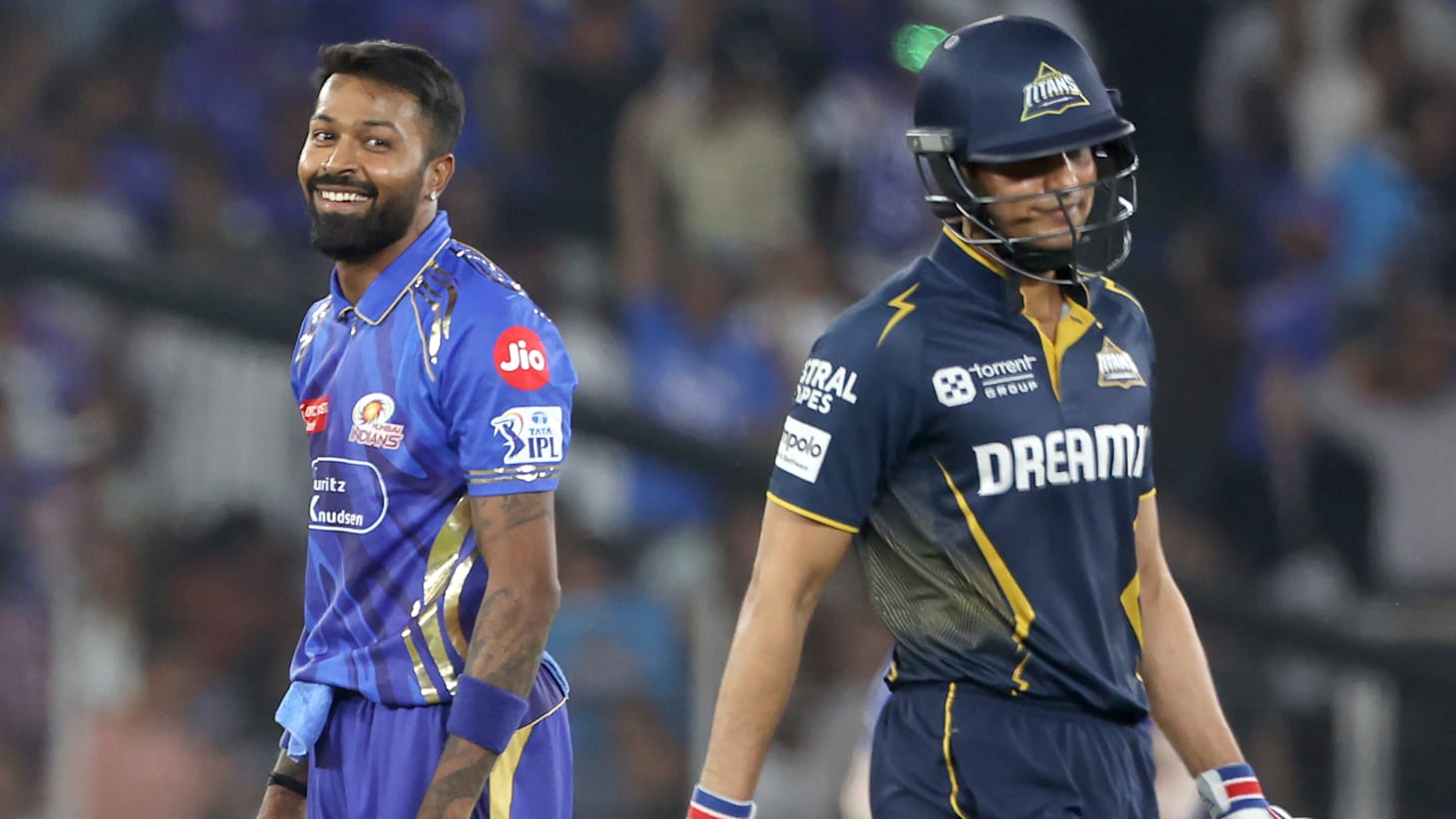
The nineteenth edition of the Indian Premier League featured ten franchises competing for one of the most prestigious trophies in franchise cricket. The tournament began on March 28 and concluded on May 31, 2026, with the championship match held at the Narendra Modi Stadium in Ahmedabad. Throughout the competition, teams worked to establish momentum, secure valuable points, and qualify for the knockout stage.
The IPL 2026 campaign reflected the increasingly competitive nature of Twenty20 cricket. Teams relied on balanced combinations of experienced international players and promising domestic talent. Captains faced important decisions regarding batting orders, bowling changes, field placements, and the use of impact players. These choices often determined whether teams successfully defended totals or completed challenging run chases.
The league format also ensured that consistent performances remained essential. Winning a few spectacular matches was not enough to guarantee qualification, as franchises needed to maintain results throughout the group stage. This structure encouraged teams to develop flexible strategies capable of handling different opponents, pitch conditions, and match situations.
Participating Teams and Their Competitive Strength
The tournament featured ten established franchises representing different regions of India. These teams included Mumbai Indians, Chennai Super Kings, Royal Challengers Bengaluru, Kolkata Knight Riders, Rajasthan Royals, Punjab Kings, Delhi Capitals, Sunrisers Hyderabad, Gujarat Titans, and Lucknow Super Giants.
Each franchise entered the competition with different strengths, expectations, and tactical approaches. Some teams emphasized aggressive opening partnerships, while others relied on experienced middle-order batters and dependable bowling combinations. The presence of international players also added variety through different playing styles and valuable experience in high-pressure matches.
Royal Challengers Bengaluru, Gujarat Titans, Sunrisers Hyderabad, and Rajasthan Royals eventually secured the four playoff positions. Bengaluru finished the league stage at the top of the standings, while Gujarat followed closely behind. Sunrisers Hyderabad also delivered a strong campaign, and Rajasthan Royals secured the final qualification position.
The close competition among these teams demonstrated how individual performances and small differences in net run rate could influence the final standings.
One of the defining stories of the season was the successful title defense by Royal Challengers Bengaluru. After winning their first championship in 2025, the franchise entered the following edition with increased expectations. Maintaining success proved challenging, but the team demonstrated the consistency and confidence necessary to compete against strong opponents.
In the final, Bengaluru faced Gujarat Titans at the Narendra Modi Stadium. Gujarat scored 155 runs for eight wickets after being asked to bat first. Bengaluru’s bowlers controlled important phases of the innings, restricting scoring opportunities and preventing Gujarat from building a more imposing total.
Virat Kohli then produced an outstanding unbeaten innings of 75 runs from 42 deliveries, helping Bengaluru complete the chase with five wickets remaining and two overs to spare. His performance earned him the Player of the Match award.
The victory gave Bengaluru their second consecutive championship and placed them alongside Chennai Super Kings and Mumbai Indians as franchises that had successfully defended an IPL title.
Batting performances remained central to the entertainment throughout IPL 2026, with established international cricketers and emerging Indian players demonstrating remarkable skill. Modern Twenty20 batting requires more than simply hitting boundaries. Successful players must understand match situations, rotate the strike, identify favorable bowling matchups, and adjust their approach according to pitch conditions.
Vaibhav Sooryavanshi emerged as one of the season’s biggest individual success stories. Representing Rajasthan Royals, the young batter scored 776 runs and finished as the tournament’s leading run-scorer. His aggressive approach and exceptional strike rate demonstrated the confidence of a new generation of Indian cricketers.
Gujarat Titans also benefited from impressive batting contributions by Shubman Gill and Sai Sudharsan. Both players delivered productive campaigns and played important roles in helping their franchise reach the final.
Meanwhile, Virat Kohli continued to demonstrate his value through consistent performances and his ability to handle pressure. The combination of experienced stars and young talent made the batting competition particularly interesting.
Although powerful batting often receives the most attention in Twenty20 cricket, successful bowling performances remain equally important. Bowlers must constantly adapt to aggressive batters, short boundaries, changing pitch conditions, and increasingly innovative shot selection. The tournament highlighted the importance of accurate execution, tactical awareness, and variation in pace.
Kagiso Rabada delivered an exceptional campaign for Gujarat Titans, finishing as the leading wicket-taker with 29 wickets. His ability to generate pace, challenge batters, and take wickets during important moments made him a valuable contributor throughout the competition.
Bhuvneshwar Kumar also played an important role for Bengaluru, finishing close behind Rabada in the wicket-taking rankings. His experience with the new ball and ability to maintain control under pressure supported the team’s championship campaign.
The final demonstrated the value of disciplined bowling when Bengaluru restricted Gujarat to a manageable total. More broadly, the season reinforced that teams need effective bowling combinations rather than relying exclusively on high-scoring batting lineups.
The points table provided an important measure of team performance during the league stage. Franchises earned two points for each victory, while net run rate helped separate teams that finished with equal points. This system rewarded consistent performances and encouraged teams to consider the margin of victory alongside the result.
Royal Challengers Bengaluru finished first with 18 points and a net run rate of +0.783. Gujarat Titans also collected 18 points but finished second with a slightly lower net run rate. Sunrisers Hyderabad occupied third place with the same points total, while Rajasthan Royals secured fourth position with 16 points.
Punjab Kings narrowly missed qualification after collecting 15 points. Delhi Capitals and Kolkata Knight Riders finished further down the standings, while Chennai Super Kings, Mumbai Indians, and Lucknow Super Giants experienced challenging campaigns.
These results highlighted the importance of winning crucial matches during the closing stages of the league. Even a single defeat or a narrow victory could influence qualification prospects when several teams remained close together.
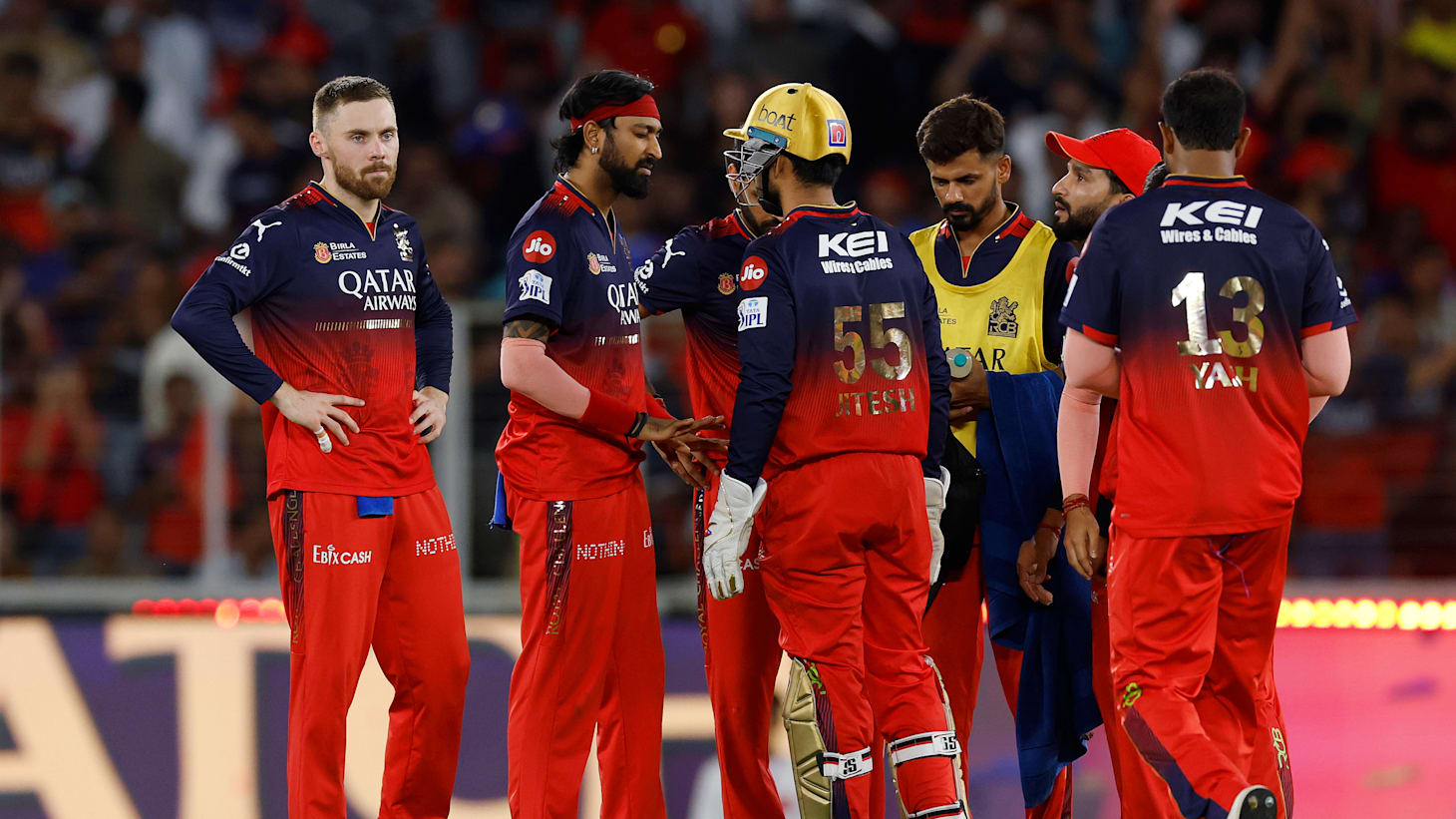
The playoff stage added another level of excitement as the four leading franchises competed for the championship. Unlike the league phase, knockout cricket places additional pressure on players because a single unsuccessful performance can end a team’s title ambitions.
Royal Challengers Bengaluru entered the playoffs with strong momentum after finishing first in the league standings. Their victory over Gujarat Titans in Qualifier 1 secured direct entry into the final and provided valuable preparation time before the championship match.
Gujarat Titans received another opportunity to reach the final because of their top-two league finish. They responded by defeating Rajasthan Royals in Qualifier 2, successfully chasing a challenging target through an impressive batting performance.
The final brought together two teams that had demonstrated consistency across the tournament. Bengaluru ultimately handled the decisive moments more effectively, combining disciplined bowling with a confident run chase.
The playoff results illustrated why finishing near the top of the league standings offers a significant competitive advantage.
The individual awards recognized players who made exceptional contributions across different aspects of the game. These honors celebrated batting excellence, wicket-taking ability, emerging talent, fielding quality, and overall impact.
Vaibhav Sooryavanshi dominated several major award categories, winning the Orange Cap, Most Valuable Player award, and Emerging Player of the Season recognition. His performances demonstrated how young cricketers can influence matches through fearless batting and consistent contributions.
Kagiso Rabada received the Purple Cap for taking the most wickets, while Punjab Kings earned the Fair Play Award. Manish Pandey received recognition for the Catch of the Season, highlighting the importance of athletic fielding in modern cricket.
Sai Sudharsan was recognized for hitting the most fours, and Mohammed Siraj recorded the most dot balls during the campaign.
Together, these awards showed that successful Twenty20 cricket involves several dimensions of performance. While batting attracts significant attention, bowling discipline, fielding standards, and sportsmanship remain essential elements of the competition.
One of the most valuable contributions of the Indian Premier League is its ability to provide opportunities for emerging domestic players. Young cricketers gain exposure to international competition, experienced coaching staff, professional training facilities, and demanding match situations.
During the IPL 2026 season, the achievements of young players demonstrated the strength of India’s developing cricket talent. Vaibhav Sooryavanshi became a particularly important example, showing that age does not necessarily prevent a player from delivering performances at the highest level of franchise cricket.
The league also helps young players develop mental strength and tactical awareness. Competing against experienced international bowlers and batters requires preparation, adaptability, and confidence. These experiences can accelerate development and prepare promising individuals for higher levels of competition.
Beyond individual statistics, the tournament encourages young players to understand teamwork and professional responsibility. Learning from established cricketers can improve decision-making and create a stronger foundation for long-term careers.
Technology and Modern Cricket Analysis
Technology continues to influence how cricket teams prepare for matches, evaluate performances, and develop strategies. Advanced statistical analysis allows coaches to examine batting patterns, bowling effectiveness, fielding positions, and opposition weaknesses in greater detail.
During major Twenty20 competitions, analytical teams study how individual batters perform against different bowling styles. They also evaluate scoring rates across various overs, helping captains determine the most effective bowling combinations.
Video analysis provides another important advantage. Players can review previous performances, identify technical weaknesses, and prepare for specific opponents. Bowling coaches use detailed footage to improve accuracy and variation, while batting coaches examine footwork, shot selection, and scoring opportunities.
Technology also supports broadcasting through ball-tracking systems, detailed statistics, and visual match analysis. These developments make cricket more accessible to audiences while improving their understanding of complex tactical decisions.
As professional cricket continues to evolve, data-driven preparation is likely to remain an important part of successful team management.
Fan Engagement and the Growing Popularity of the League
The Indian Premier League attracts enormous attention because it combines sporting competition with entertainment, regional loyalty, and memorable individual performances. Supporters follow their favorite franchises throughout the season, celebrating victories and discussing tactical decisions after closely contested matches.
Digital platforms have transformed how audiences engage with cricket. Fans can follow score updates, watch match highlights, examine player statistics, and participate in discussions about team selection and performances.
The IPL 2026 tournament offered supporters many opportunities to celebrate exceptional batting, competitive bowling, and dramatic playoff encounters. Bengaluru’s successful championship defense became a major talking point, particularly among supporters who had waited many years for the franchise’s first title.
The popularity of the league also extends beyond India. International players bring supporters from different cricketing nations, helping the competition reach a global audience.
This widespread interest contributes to the tournament’s commercial success and reinforces its position as an influential event in international franchise cricket.
Lessons From the 2026 Season
Every Indian Premier League season provides valuable lessons for players, coaches, franchises, and aspiring cricketers. The latest edition demonstrated that success requires more than individual talent. Teams must establish effective combinations, manage pressure, and maintain consistency over an extended competition.
Bengaluru’s championship victory highlighted the importance of experienced leadership and balanced team performances. Gujarat Titans showed how strong batting combinations and effective bowling attacks can support a successful campaign, even when the final result does not favor the team.
The emergence of young performers also reinforced the importance of investing in domestic talent. Franchises that identify promising players and provide meaningful opportunities can strengthen their long-term competitiveness.
Another important lesson involved adaptability. Pitch conditions, opposition strategies, and match situations constantly change during a tournament. Teams capable of adjusting their plans often gain an advantage over opponents that depend on predictable approaches.
Ultimately, the season demonstrated that preparation, discipline, and confidence remain essential ingredients for success in professional Twenty20 cricket.
Conclusion
IPL 2026 delivered a memorable chapter in the history of the Indian Premier League, featuring outstanding individual performances, competitive matches, and a successful title defense by Royal Challengers Bengaluru. The championship highlighted the importance of teamwork, experienced leadership, and effective execution during high-pressure situations.
Virat Kohli’s match-winning performance in the final, Vaibhav Sooryavanshi’s remarkable batting achievements, and Kagiso Rabada’s bowling success were among the defining stories of the competition. The tournament also demonstrated the continuing growth of young Indian talent and the increasing importance of technology and strategic planning in modern cricket.
As the Indian Premier League continues to develop, its influence extends beyond individual matches and championship trophies. It creates opportunities for emerging cricketers, strengthens international sporting connections, and brings millions of supporters together through their shared passion for the game.

