

Introduction
The England and Australia men’s cricket teams have one of the oldest and most famous rivalries in international sports. Fans all across the world look for the match scorecard whenever these two teams play each other to see how the game went. There is a lot more to the term “England cricket team vs. Australian men’s cricket team match scorecard” than just numbers. It shows the story of how the game changes, how great players are, how teams plan, and how they deal with pressure.
The best and most detailed summary of every cricket match is a match scorecard. The scorecard keeps track of every run, wicket, and over, whether the game is a Test, One Day International, or T20 International. The scorecard is even more crucial when England and Australia play each other because of their lengthy history, strong emotions, and competitive balance.
This article gives a comprehensive and professional explanation of the scorecard for the England cricket team vs. the Australian men’s cricket team. It talks about what a scorecard is, how to read it, and what it tells you about the game. There is also a thorough example scorecard to help you understand better, followed by an analysis of how the players did and how the match went.
Why the England vs. Australia Scorecard is Important

Every session of play is important when England and Australia play each other. The match scorecard is used by fans, analysts, and historians to judge performances long after the game is over. The scorecard gives you facts that can’t be changed by feelings or opinions.
The scorecard gives a full picture of the game for anyone who don’t watch every ball. It displays who got runs, who got wickets, how long batsmen stood at the crease, and how bowlers kept or lost control during their periods. In famous matches like the Ashes, the scorecard is routinely looked at again and again over the years.
The scorecard for the England cricket team vs. the Australian men’s cricket team match is also important for comparing players from different eras. It lets readers see patterns like consistent contributions from the top order, middle-order collapses, or dominant bowling periods that changed the course of the match.
What you can find on a match scorecard
There are obvious sections on a conventional match scorecard. Each part is critical for explaining how the match went.
The batting scorecard shows the name of each player, how they got out, the amount of runs they scored, the number of balls they faced, the number of boundaries they hit, and the strike rate if it applies. This segment talks about individual contributions and partnerships.
The bowling scorecard indicates how many overs were bowled, how many maidens were bowled, how many runs were given up, how many wickets were taken, and the economy rate. This helps readers figure out which bowlers put pressure on the batsmen and which ones were hit by the batsman.
Extras, overall team score, fall of wickets, and match result are some of the other aspects that are frequently included. There may be more than one innings scorecard in extended formats.
Readers will be able to completely understand the England vs. Australia men’s cricket team match scorecard and the tale it tells if they read these sections.
A scorecard for an England vs. Australia match
To make the idea clearer, below is an example of a full match scorecard from a made-up One Day International between England and Australia. This example is meant to help you understand and is based on an actual high-level international match.
England Innings
| Batsman | Dismissal | Runs | Balls |
|---|---|---|---|
| Jason Roy | Caught | 45 | 38 |
| Jonny Bairstow | Bowled | 62 | 58 |
| Joe Root | Caught | 74 | 82 |
| Ben Stokes | LBW | 39 | 33 |
| Jos Buttler | Not Out | 88 | 65 |
| Moeen Ali | Caught | 21 | 18 |
| Sam Curran | Run Out | 14 | 10 |
| Chris Woakes | Bowled | 9 | 7 |
| Adil Rashid | Not Out | 6 | 5 |
Total: 358/8 in 50 overs
Australia Bowling
| Bowler | Overs | Runs | Wickets |
|---|---|---|---|
| Mitchell Starc | 10 | 71 | 2 |
| Pat Cummins | 10 | 64 | 1 |
| Josh Hazlewood | 10 | 59 | 2 |
| Adam Zampa | 10 | 83 | 2 |
| Glenn Maxwell | 10 | 70 | 1 |
Australia Innings
| Batsman | Dismissal | Runs | Balls |
|---|---|---|---|
| David Warner | Caught | 51 | 43 |
| Travis Head | Bowled | 36 | 29 |
| Steve Smith | Caught | 92 | 98 |
| Marnus Labuschagne | LBW | 47 | 52 |
| Glenn Maxwell | Caught | 68 | 41 |
| Alex Carey | Run Out | 24 | 21 |
| Marcus Stoinis | Bowled | 18 | 16 |
| Pat Cummins | Caught | 9 | 8 |
| Mitchell Starc | Not Out | 7 | 6 |
Total: 352/9 in 50 overs
Result: England won by 6 runs
Taking a closer look at the scorecard
The scorecard above for the England cricket team vs. the Australian men’s cricket team match indicates how close the match was. England’s total of 358 runs shows that they batted well on a decent pitch. Jos Buttler’s not-out innings shows how important it is to finish hard in the last few overs.
Australia’s chase was just as spectacular. Steve Smith’s innings was the most important part of the chase, and Glenn Maxwell’s aggressive batting kept the required run rate in check. The fact that the game was so close shows how tiny things can make a big difference between these two teams.
You can find turning points by carefully looking at the scorecard. For example, you can see when wickets were taken during powerplays, when players were run out under pressure, or when bowlers were economical at important times.
The Scorecard Shows Key Performances

A match scorecard shows how great each player is without going into a lot of detail. Joe Root’s patient innings gave England stability, and Jos Buttler’s explosive end raised England’s total.
From Australia’s point of view, Steve Smith’s high score shows that he can handle pressure, which has been a big part of his career versus England. Bowlers like Mitchell Starc and Josh Hazlewood seem to be doing well even if they gave up runs because they got wickets at key occasions.
The scorecard for the England cricket team vs. the Australian men’s cricket team match also indicates how all-rounders helped, since their efforts with both bat and ball often affect the final score.
How the Scorecard Shows the Match Flow
One of the best things about a scorecard is that it lets people see how the match went. Early wickets show that the bowlers are in charge, whereas strong run rates show that the batters are in charge.
In this game, England slowly built up their innings before speeding up in the last few overs. Australia’s chase followed the same trend, but disciplined death bowling kept them from winning. The scorecard shows this story with just statistics, which is why it is such a useful tool.
The history of England vs. Australia scorecards
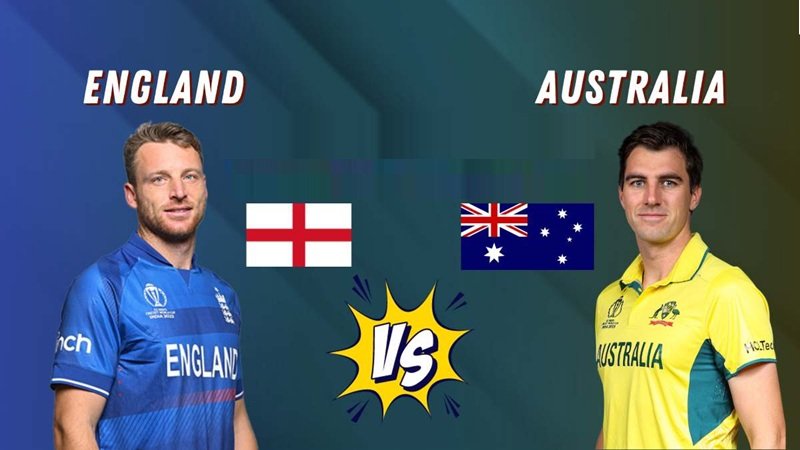
Over the years, scorecards for matches between the England cricket team and the Australian men’s cricket team have shown legendary performances. These scorecards are permanent archives of cricket history, from famous Ashes centuries to unforgettable bowling sessions.
You may also see how the game has changed by looking at scorecards from different times. In modern matches, the strike rates and totals are higher, while in previous matches, the innings are longer and the scoring rates are lower. Even with these developments, England and Australia still have a strong competitive spirit.
Why Fans Look for Match Scorecards
Fans look for match scorecards to remember the game, talk about how players did, and resolve arguments. A scorecard makes things clear and open, so everyone can see what transpired.
The scorecard for the England cricket team vs. the Australian men’s cricket team match is a helpful tool for people who want to learn more about the game. It teaches you how to win games, how to make strategies work or not work, and how even the best players may feel the pressure.
Conclusion
The scorecard for the England cricket team vs. the Australian men’s cricket team match has more than just runs and wickets. It provides a full account of the competition, skill, and strategy between two of cricket’s biggest adversaries. Readers can learn more about the match and the performances that shaped it by learning how to read and understand a scorecard.
The scorecard is the best method to understand the game, whether it’s a five-day Test match or a high-scoring limited-overs thriller. It turns raw statistics into a cricket story that fans and readers can read over and over again.
Read More:-Chennai Super Kings vs Punjab Kings Match Scorecard

