

Introduction
Cricket matches between South Africa and India are always exciting because both teams have talented players, strong batting line-ups and quality bowling attacks. Their international rivalry has produced several memorable performances across Test matches, One Day Internationals and T20 Internationals. Supporters from both countries closely follow these contests to see how their favourite players perform under pressure. Every match brings a different challenge, whether it takes place on Indian pitches or South African grounds. The South Africa national cricket team vs India national cricket team match scorecard helps fans understand the complete story of a game through batting performances, bowling figures, partnerships, extras and the final result. It also makes it easier to compare individual contributions and identify the moments that influenced the outcome.
Overview of the India vs South Africa Cricket Rivalry

India and South Africa have developed a competitive international cricket relationship over several decades. Their encounters are known for aggressive fast bowling, technically strong batting and exciting finishes. South Africa traditionally brings pace, athletic fielding and powerful middle-order batting, while India is recognised for its batting depth, spin options and ability to perform in different conditions. Both sides have produced outstanding international cricketers who have influenced important matches.
The rivalry is particularly interesting because playing conditions often change the balance between the teams. South African pitches can offer bounce and movement for fast bowlers, whereas Indian surfaces may provide opportunities for spinners and technically skilled batters. These differences make every series an important test of adaptability. Fans therefore examine the scorecard carefully to understand which players handled the conditions successfully and how the teams approached different stages of the contest.
Latest Notable Match: South Africa vs India, 2026 T20 World Cup
One of the notable recent meetings between these teams took place on 22 February 2026 during the ICC Men’s T20 World Cup Super Eight stage at Narendra Modi Stadium in Ahmedabad. South Africa delivered an impressive performance, defeating India by 76 runs. The result attracted considerable attention because both teams entered the contest with strong expectations and the match carried significant importance in the tournament.
South Africa batted first and scored 187 runs for seven wickets in 20 overs. India struggled during the chase and were dismissed for 111 in 18.5 overs. David Miller played a major role in building the South African total, while the bowling attack successfully restricted India’s scoring opportunities. The match demonstrated how quickly momentum can change in T20 cricket when a team combines aggressive batting with disciplined bowling.
South Africa vs India Match Scorecard: Main Summary
The following table presents the main match details from the February 2026 T20 World Cup encounter.
| Match information | Details |
|---|---|
| Tournament | ICC Men’s T20 World Cup 2026 |
| Match date | 22 February 2026 |
| Venue | Narendra Modi Stadium, Ahmedabad |
| South Africa | 187/7 in 20 overs |
| India | 111 all out in 18.5 overs |
| Match result | South Africa won by 76 runs |
| Top South African batter | David Miller – 63 runs |
| Top Indian batter | Shivam Dube – 42 runs |
| Best South African bowling | Marco Jansen – 4/22 |
| Best Indian bowling | Jasprit Bumrah – 3/15 |
This result reflected South Africa’s ability to recover from an early batting setback and maintain pressure throughout India’s innings. The scorecard also highlights the contributions of the players who made the biggest difference.
South Africa Batting Performance
South Africa’s batting innings started with some early difficulties as the Indian bowlers managed to take important wickets during the powerplay. Aiden Markram, Quinton de Kock and Ryan Rickelton could not convert their starts into substantial scores. However, the middle order responded positively and changed the direction of the innings. Dewald Brevis and David Miller built an important partnership that helped South Africa recover from the early setbacks.
Brevis contributed 45 runs from 29 deliveries, including three fours and three sixes. His attacking approach allowed South Africa to increase the scoring rate during the middle overs. David Miller continued the momentum with an excellent innings of 63 runs from 35 balls. His performance included seven fours and three sixes. Tristan Stubbs also played an important finishing role, remaining unbeaten on 44 from 24 deliveries. These contributions helped South Africa reach a competitive total of 187/7.
India Bowling Performance
India’s bowling attack showed promise during the opening overs, particularly through Jasprit Bumrah. He dismissed important South African batters and finished with figures of three wickets for 15 runs in four overs. His accuracy and ability to generate movement created difficulties for the opposition’s top order.
However, South Africa’s middle-order recovery made it difficult for India to maintain complete control. Arshdeep Singh and Shivam Dube also contributed with important wickets, but the visitors managed to accelerate during the final stages. Indian bowlers found it challenging to stop Miller and Stubbs from scoring boundaries. The innings demonstrated the importance of controlling partnerships in T20 cricket. Even after taking early wickets, a bowling team must maintain pressure throughout the middle and death overs to prevent the opposition from building a strong total.
India’s Batting Performance During the Run Chase
India entered the second innings with a target of 188 runs, which required consistent scoring and a confident approach. However, South Africa started strongly with the ball and quickly put pressure on the Indian batting line-up. Early wickets affected India’s plans, making it difficult for the middle order to establish stable partnerships.
The Indian batters struggled to maintain momentum against South Africa’s disciplined bowling. Shivam Dube provided the most notable contribution, scoring 42 runs from 37 deliveries. His innings offered some resistance, but the required run rate continued to increase as wickets fell at regular intervals. Other batters could not produce the partnerships needed to keep the chase alive. India eventually finished at 111 all out in 18.5 overs, giving South Africa a convincing victory.
South Africa Bowling Performance
South Africa’s bowling performance was one of the most important reasons behind the result. Marco Jansen delivered an outstanding spell, taking four wickets for 22 runs in 3.5 overs. He used his height, pace variations and accuracy to create problems for India’s batters. His ability to take wickets at important moments prevented India from recovering after the early setbacks.
Keshav Maharaj also made a valuable contribution by taking three wickets and breaking India’s attempts to build partnerships. Corbin Bosch picked up two wickets, adding further pressure to the batting side. Lungi Ngidi maintained control through an economical spell, restricting scoring opportunities. The combined effort of the bowling unit ensured that India never gained the momentum required to challenge South Africa’s total.
Key Players Who Influenced the Match
Individual performances often decide close international cricket matches, and this contest was a good example. David Miller was one of the biggest contributors for South Africa because his innings helped the team recover from a difficult beginning. His ability to find boundaries and rotate the strike made a significant difference to the final score.
Marco Jansen was equally important with the ball. His four-wicket spell weakened India’s batting order and prevented the chasing team from developing a meaningful partnership. Tristan Stubbs provided valuable support with his unbeaten innings, while Dewald Brevis helped rebuild the innings through aggressive stroke play. From India’s side, Jasprit Bumrah impressed with his bowling figures, and Shivam Dube remained the most successful batter during the unsuccessful chase. These performances demonstrate why individual statistics are important when analysing a complete match.
How to Read a Cricket Match Scorecard
A cricket scorecard contains several details that help supporters understand the progress and result of a match. The batting section generally displays each player’s name, runs scored, balls faced, boundaries, sixes and strike rate. These figures help readers identify which batters contributed most effectively to the team’s total.
The bowling section includes overs bowled, maiden overs, runs conceded, wickets taken and economy rate. These statistics explain how successfully bowlers controlled the opposition’s scoring. Other important information includes extras, fall of wickets, partnerships and innings totals. For example, a batter scoring 50 runs from 30 balls has played a different type of innings from someone scoring 50 from 60 deliveries. Both contributions can be valuable, but their impact depends on the match format and situation.
The South Africa national cricket team vs India national cricket team match scorecard is particularly useful because it allows readers to compare batting and bowling performances from both teams in one place.
Importance of Partnerships in India vs South Africa Matches
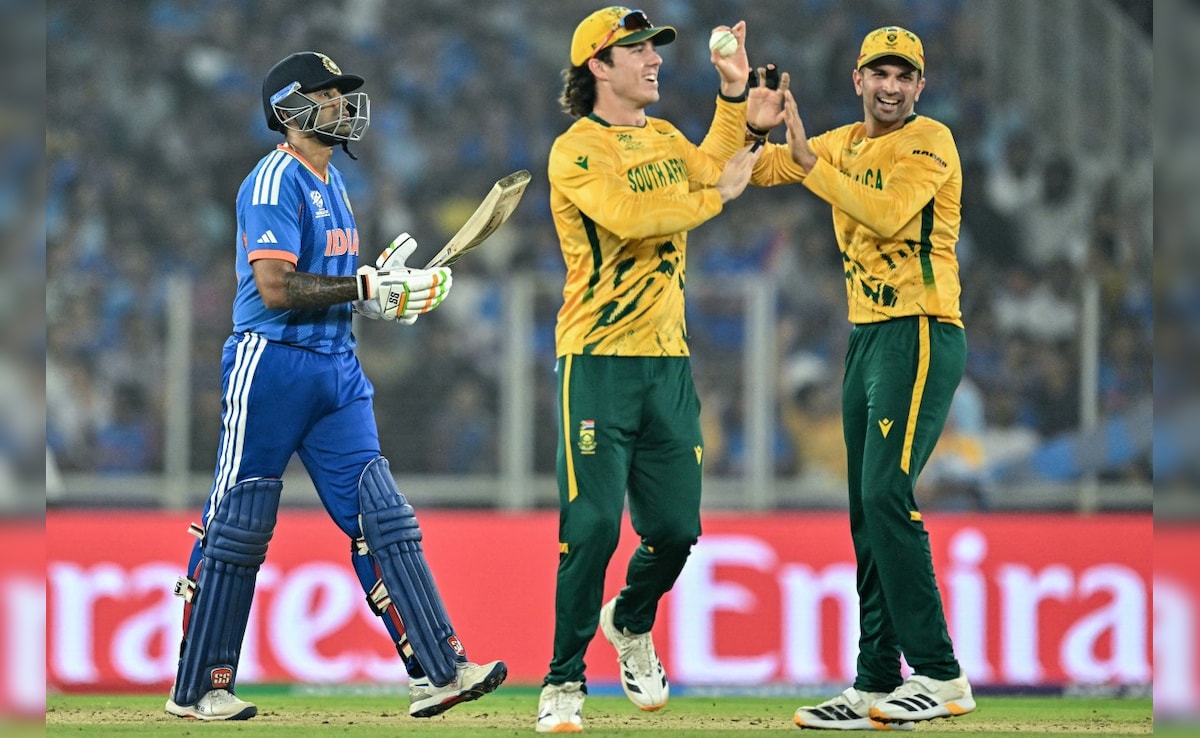
Partnerships are among the most important elements of international cricket. A strong partnership can help a team recover after losing early wickets or increase the scoring rate during the final overs. In limited-overs cricket, partnerships also help batters understand the pitch, communicate effectively and select the right opportunities for attacking shots.
South Africa’s partnership between Dewald Brevis and David Miller was a major turning point in the 2026 T20 World Cup encounter. Their scoring combination helped the team move beyond its early difficulties and establish a competitive total. Similarly, India’s inability to create substantial partnerships during the chase became a significant disadvantage. When wickets fall frequently, incoming batters have limited opportunities to settle down and build confidence. This is why partnership statistics deserve attention alongside individual batting figures.
Differences Between Test, ODI and T20 Scorecards
India and South Africa compete in three major international formats, and each format produces a different type of scorecard. Test cricket involves two innings per team and can continue for up to five days. Its scorecard provides information about longer batting performances, bowling spells, declarations, follow-on situations and innings results.
One Day International cricket generally consists of 50 overs per side. Batting consistency, partnerships and bowling economy are particularly important because teams must balance scoring opportunities with wicket preservation. T20 cricket is much shorter, with each side receiving 20 overs. Its scorecards focus heavily on strike rates, boundary counts, powerplay performances and death-over contributions.
Understanding these differences helps fans evaluate performances fairly. A batter’s strike rate may be particularly important in T20 cricket, whereas patience and time spent at the crease are essential measurements in Test matches.
Why Fans Follow South Africa vs India Scorecards
Cricket supporters follow scorecards for several reasons. Some want to know the final result, while others are interested in individual player statistics, team combinations and important moments. A detailed scorecard provides all these details without requiring someone to watch the complete match.
Scorecards are also helpful for sports writers, analysts and cricket enthusiasts who compare performances across different tournaments. They provide a factual foundation for discussing player form, team strengths and weaknesses. Supporters can examine batting averages, bowling economy rates and recent performances to understand how a player is developing over time.
The rivalry between India and South Africa attracts attention because both teams regularly produce competitive cricket. Their matches offer opportunities to observe different playing styles and tactical decisions. For this reason, the South Africa national cricket team vs India national cricket team match scorecard remains a useful search topic for people looking for match results and performance details.
Historical Importance of the Rivalry
The cricketing relationship between India and South Africa has developed through several generations of international players. Both teams have experienced memorable victories, challenging defeats and outstanding individual performances. Their encounters have also helped introduce new talents to international cricket.
South Africa has traditionally been recognised for its fast bowling and athletic fielding, while India has developed a reputation for technically strong batters and quality spin bowling. However, both teams have evolved considerably, becoming more versatile across different formats. Modern cricket has also increased the importance of fitness, analytical preparation and strategic planning. These developments make their future encounters interesting for supporters who enjoy competitive international cricket.
What Makes the Match Scorecard Important for Cricket Analysis?
A scorecard is more than a record of runs and wickets. It provides useful information about how a team performed during different phases of a match. Analysts can use the figures to identify batting weaknesses, bowling strengths and changes in momentum. For example, a team that scores quickly during the powerplay but loses several wickets in the middle overs may need to improve its batting strategy.
Bowling statistics can reveal similar patterns. A bowler with a low economy rate may have controlled the scoring effectively, while a player taking important wickets may have changed the match’s direction. Fielding contributions, including catches and run-outs, also influence results. Examining all these details creates a better understanding of the match than looking only at the final score.
Conclusion
India and South Africa continue to provide entertaining international cricket through their competitive batting, quality bowling and talented players. Their February 2026 T20 World Cup encounter demonstrated how a strong middle-order partnership and disciplined bowling can influence a major match. South Africa scored 187/7 before restricting India to 111 all out, securing an impressive 76-run victory.
The South Africa national cricket team vs India national cricket team match scorecard helps supporters explore the complete match through individual performances, team totals, bowling figures and important statistics. Whether following Test cricket, ODIs or T20 Internationals, understanding scorecards makes the experience more informative. It allows readers to appreciate the efforts of individual players and understand the strategies that shape the final outcome.

