

What are world athletics championships javelin?
The world athletics championships javelin event is a major athletics competition where athletes compete for the longest throw and world titles.
Best world athletics championships javelin performances
The best performances feature long-distance throws, strong consistency, and championship-winning results.
How to choose world athletics championships javelin athletes to watch?
Check recent results, world rankings, and season-best throws to identify top contenders.
Introduction
What does it take to launch a spear-shaped implement more than 90 meters while competing against the world’s best athletes? The answer lies in a combination of power, speed, technique, and mental strength that makes javelin one of athletics’ most exciting events.
The javelin throw has produced some of the most memorable moments in track and field history. Every edition of the World Athletics Championships showcases remarkable athleticism as competitors battle for medals, national pride, and sporting immortality. Fans around the world eagerly follow the event because a single throw can completely change the standings.
In recent years, the competition level has reached new heights. Advanced training methods, biomechanical analysis, and improved athlete development programs have helped produce longer throws and more competitive championship finals. As a result, the event continues to attract significant global attention.
Quick Summary
- Javelin is one of the most prestigious field events at the World Athletics Championships.
- Athletes combine speed, strength, and technique to achieve maximum distance.
- Championship-winning throws often exceed 85–90 meters in men’s competition.
- Emerging talents continue to challenge established champions on the world stage.
Understanding the World Athletics Championships Javelin
The world athletics championships javelin competition is organized as part of the World Athletics Championships, the highest-level global athletics event outside the Olympic Games. Athletes qualify through rankings, qualification standards, and major international performances.
The event consists of qualification rounds followed by a final. Competitors receive multiple attempts, and the athlete with the longest legal throw wins. While the rules appear straightforward, success depends on complex factors including approach speed, release angle, aerodynamic efficiency, and technical precision.
The championship attracts the best throwers from Europe, Asia, the Americas, Africa, and Oceania, creating a truly global contest.
History and Evolution of the Event
Javelin throwing has roots dating back to ancient civilizations, where spear throwing was an essential survival and military skill. Over time, the activity evolved into a competitive sport and eventually became a key component of modern athletics.
The World Athletics Championships have played a crucial role in elevating the event’s global profile. Since the championships were introduced in 1983, javelin competitions have delivered dramatic finishes, record-breaking throws, and legendary rivalries.
Modern equipment regulations and technical advancements have also transformed the sport. Changes in javelin design were implemented to improve safety and ensure fair competition while preserving the challenge of achieving exceptional distances.
Legendary Champions and Record Holders
Throughout history, several athletes have dominated the javelin runway and inspired future generations.
| Category | Highlight |
|---|---|
| Men’s Elite Throws | Regularly exceed 90 meters |
| Women’s Elite Throws | Frequently surpass 65–70 meters |
| Championship Goal | Gold medal and global recognition |
| Key Success Factor | Technique combined with power |
Among the most celebrated names in javelin history are athletes who consistently delivered under championship pressure. Their achievements demonstrate that success requires more than physical ability—it demands discipline, adaptability, and competitive resilience.
Many world champions have maintained elite performance levels for years, proving that longevity in the sport comes from continuous technical refinement and injury management.
Key Skills Required for Success
Throwing a javelin at the highest level involves far more than strength. Athletes must master a complex sequence of movements that converts momentum into distance.
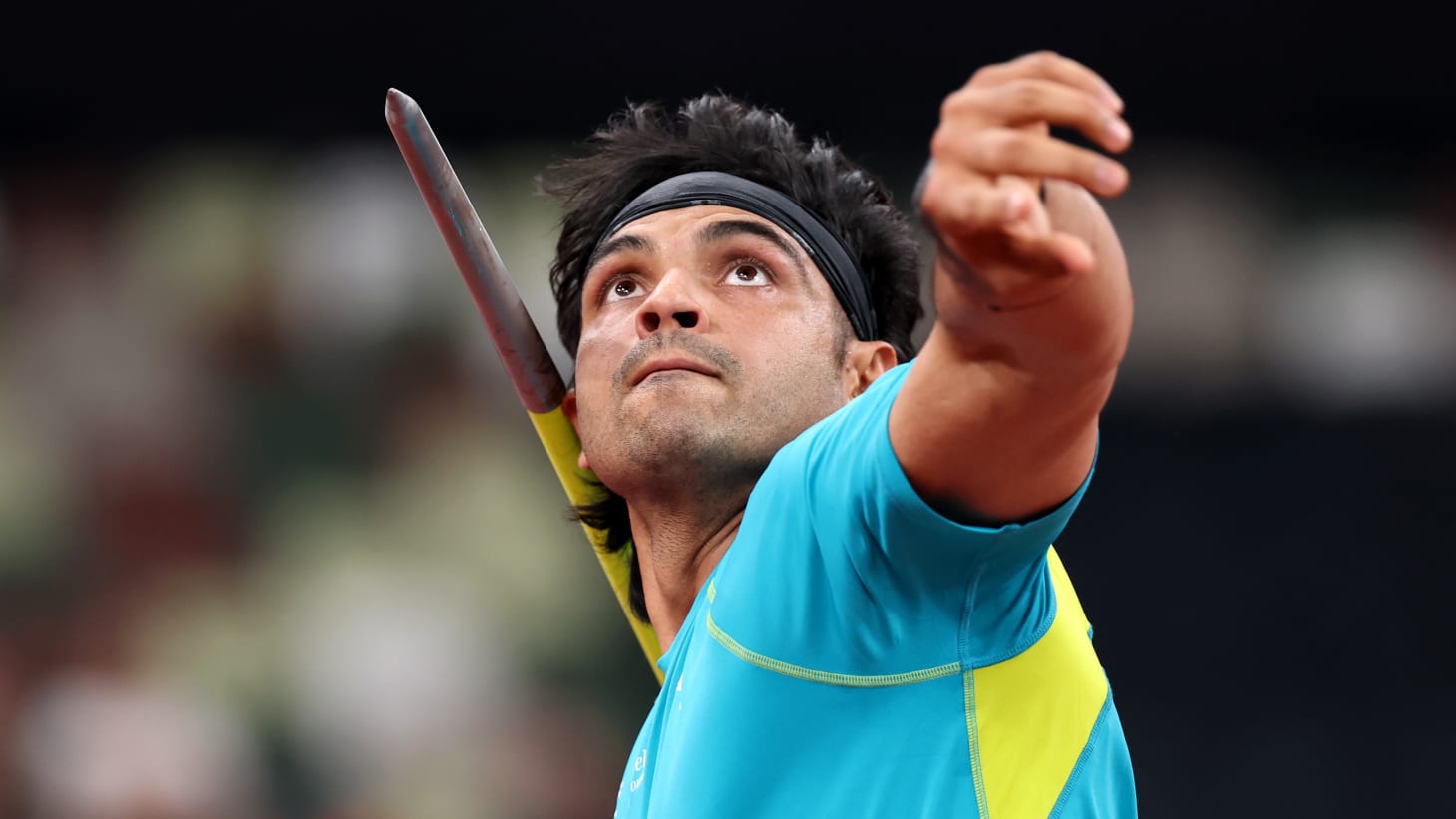
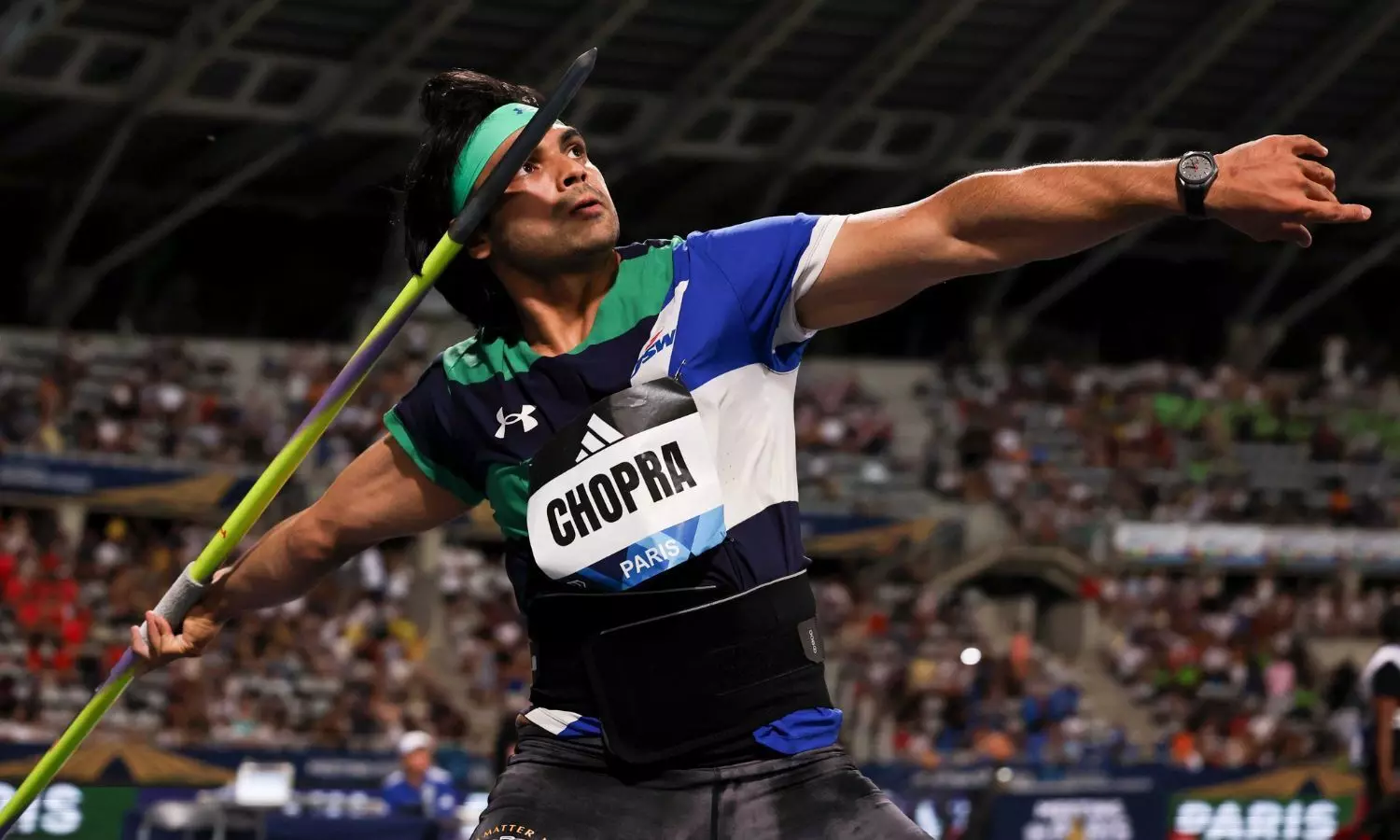
A successful throw begins with an explosive run-up. The athlete then transitions into crossover steps before executing a powerful release. Proper timing ensures maximum energy transfer from the legs through the torso and into the throwing arm.
Sports science studies show that release velocity is one of the most important factors influencing throw distance. Even small improvements in technique can result in significant gains during major competitions.
Recent Trends in International Competition
The world athletics championships javelin event has become increasingly competitive. Several nations now invest heavily in athlete development programs, sports technology, and specialized coaching.
European countries continue to produce many elite throwers, but athletes from Asia and other regions have significantly narrowed the performance gap. This increased depth of talent means qualification rounds are often as competitive as finals from previous decades.
Recent championship finals have demonstrated how closely matched the leading athletes are. A difference of only a few centimeters can separate gold and silver medal positions.
Real-Life Example: Championship Pressure in Action
Imagine an athlete entering the final round in third place. The stadium is packed, competitors have already produced exceptional throws, and a medal is still within reach.
With only one attempt remaining, the athlete executes a technically perfect throw that travels several meters farther than previous attempts. The crowd erupts as the leaderboard changes dramatically. Moments like these highlight why javelin remains one of the most thrilling field events in athletics.
Such examples occur regularly in world-level competitions, proving that mental preparation is just as important as physical conditioning.
Pros and Cons of Competitive Javelin
Pros
- Develops explosive power and athletic coordination
- Creates exciting spectator moments
- Rewards technical mastery and discipline
- Offers opportunities for international recognition
Cons
- High technical complexity
- Risk of shoulder and elbow injuries
- Requires specialized coaching
- Demands long-term athletic development
Expert Tips for Aspiring Javelin Throwers
- Focus on technique before increasing throwing intensity.
- Build core strength and mobility consistently.
- Study elite athletes’ release mechanics.
- Prioritize injury prevention and recovery.
- Track performance data regularly.
Common Mistakes Athletes Make
- Overreliance on upper-body strength
- Poor release angle control
- Inconsistent run-up rhythm
- Neglecting flexibility training
- Rushing technical development
Who Should Follow This Event?
The world athletics championships javelin competition appeals to a wide audience. Athletics enthusiasts enjoy analyzing technique and performance statistics, while casual sports fans appreciate the drama of long-distance throws and close medal races.
Coaches, sports scientists, and young athletes also benefit from studying championship performances. Observing elite competitors provides valuable lessons in biomechanics, training methodology, and competitive strategy.
Future of Championship Javelin
The future appears bright for the sport. Advances in performance analysis, athlete monitoring systems, and training technology continue to raise standards worldwide.
Many experts believe upcoming championships will feature even greater global competitiveness. Younger athletes are entering the sport with access to better coaching resources than ever before, increasing the likelihood of new championship records and breakthrough performances.
The world athletics championships javelin event is expected to remain a centerpiece attraction within global athletics for years to come.
FAQs
How is the winner determined in the World Athletics Championships javelin event?
The athlete who records the longest legal throw during the competition is declared the winner.
What equipment is used in championship javelin competitions?
Athletes use regulation javelins that meet official World Athletics specifications regarding weight, length, and design.
Why is the world athletics championships javelin event so popular?
The combination of athletic power, technical skill, and dramatic competition makes it one of the most exciting field events.
Can younger athletes learn javelin safely?
Yes. With proper coaching, age-appropriate equipment, and structured training, young athletes can develop skills safely.
What factors affect throwing distance?
Release speed, release angle, wind conditions, technique, strength, and coordination all influence performance.
Summary Recap
The world athletics championships javelin event represents the highest level of international javelin competition. It combines athletic power, advanced biomechanics, technical precision, and mental toughness. From historic champions to rising stars, the event continues to captivate audiences and showcase the extraordinary capabilities of elite athletes.
Conclusion
The world athletics championships javelin competition remains one of athletics’ most prestigious and captivating events. Whether you are a dedicated track-and-field fan, an aspiring thrower, or simply someone who appreciates elite sporting excellence, the event offers unforgettable moments and valuable lessons about determination, skill, and human potential. As competition standards continue to rise, future championships promise even more remarkable performances and inspiring stories.
Read More:-Taiwan Athletics Open 2025 Medal Tally & Highlights

